
China’s Trusted Cattle Fence Wire Manufacturer
As a leading China-based manufacturer, we deliver high-quality cattle fence wire with factory-direct pricing and global shipping.
Proudly made in China: Our 18+ years of expertise ensures reliable, cost-effective fence wire solutions for farms worldwide.
Top Quality Filed Fence for Strong and Durable Fencing Solutions
Explore our comprehensive selection of services that cater to a variety of needs, ensuring complete customer satisfaction.
01
Strategic Consulting
We offers durable woven wire fencing designed for large livestock safety and security, perfect for field fence applications.
-
Cattle fence wire is essential for securing pastures and protecting livestock from predators, ensuring the safety of animals and property.
-
A strong and durable fence is crucial for withstanding pressure from large herds, making it a vital consideration for farmers and ranchers.
-
Proper fence planning and installation can prevent injury and save time, while also providing reliable security for livestock.
-
Selecting the right type of fence wire is critical for making a lasting and effective fencing solution.
02
Digital Marketing
Woven wire fencing is a popular choice for cattle, sheep, and horse owners, offering a durable and reliable solution for field fence needs.
-
High tensile fixed knot cattle fence is designed for livestock security, providing a strong and long-lasting barrier against predators.
-
Hot-dip Galvanized is a high-quality cattle fence wire option, built to last for decades with advanced rust protection and a 30-year limited guarantee.
-
Our wire fencing products come in various types, including different knot styles, wire gauge, spacing, height, and roll length to fit specific needs.
-
Our premium woven wire fencing is suitable for diverse livestock and property needs, including horse, cattle, field, deer, and sheep/goat fence applications.
03
Technology Solutions
Durable and long-lasting field fence wire solutions can withstand harsh weather and daily wear, providing reliable strength and security for livestock.
-
Proper fence spacing and height are critical for effective livestock containment, and considerations such as safety, zoning, and utility locations must be taken into account.
-
Our resources, including videos and tips, can help with fence installation and maintenance, ensuring a safe and successful project.
-
The right type of fence wire can help exclude unwanted animals and provide a secure barrier for pastures, making it essential for farmers and ranchers to select the perfect product for their needs.
-
When selecting a fence wire, considerations such as reliability, durability, and maintenance requirements should be kept in mind to ensure a lasting and effective fencing solution.
Best Sellers in Our Cattle Fence Wire Line
Specialized wiring for cattle enclosures featuring Monarch and Cross Lock knots that balance affordability, flexibility, and heavy‑duty durability for your herd’s safety.
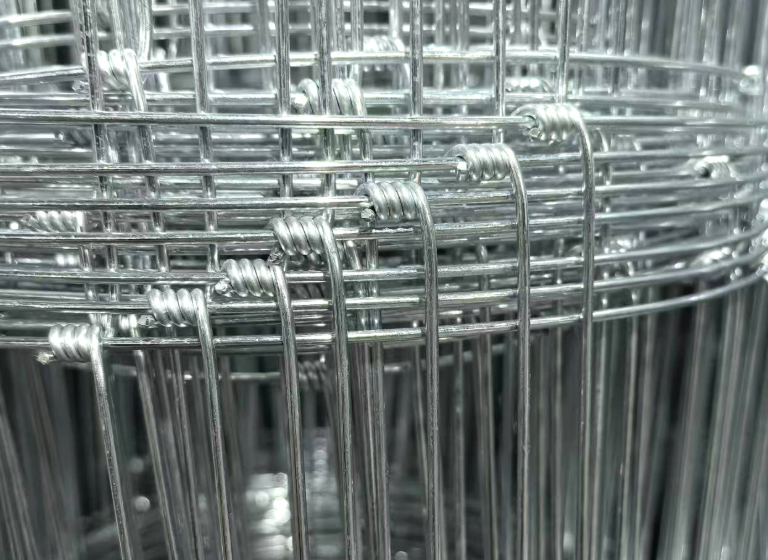
Monarch Knot
A twisted wire knot with coiled intersecting wires that is budget‑friendly and easy to manufacture, ideal for light‑duty, low‑tension farm fencing. Its flexibility makes installation easier but can allow some loosening under repeated pressure.
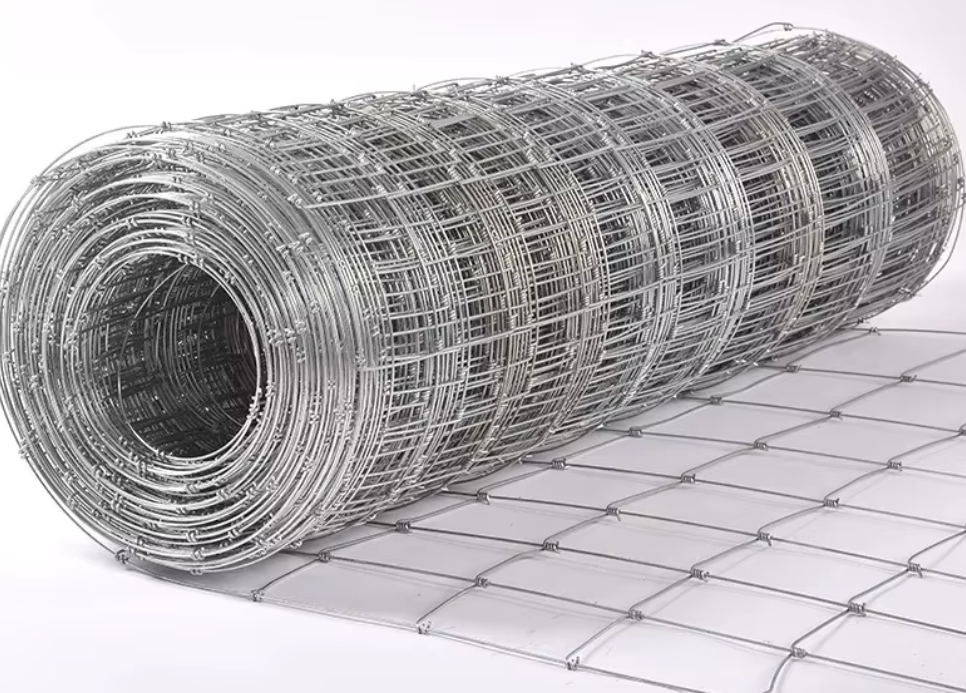
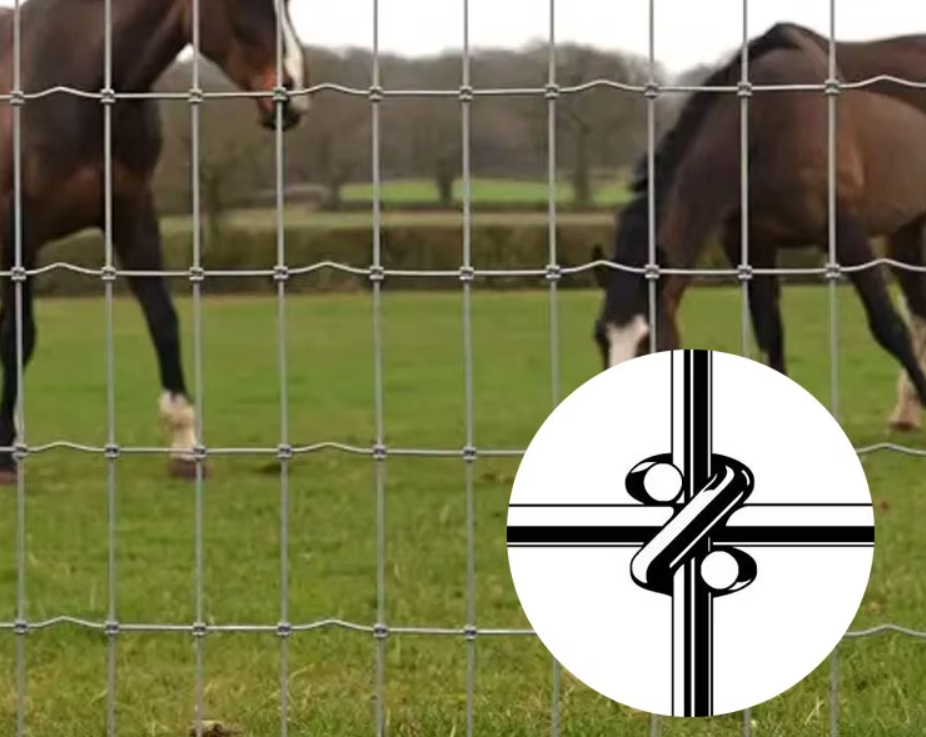
S Knot
The S Knot is a key feature of this galvanized metal livestock fence.
It is a woven wire connection that forms the fence’s structure and is engineered for pasture enclosures.
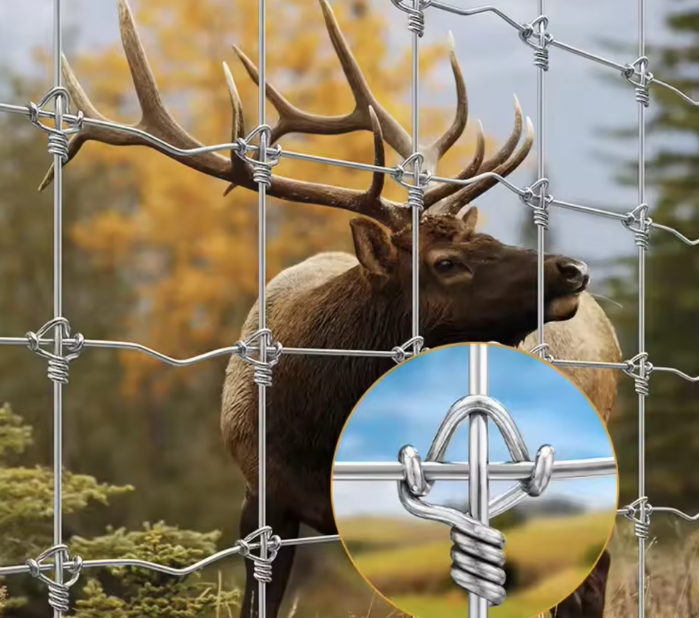
Cross Lock Knot
A crisscross‑locked weave (interlaced and clamped wires) that boosts tension resistance and stays tight under pulling, even when animals lean, push, or kick against the fence. Durable enough for heavy‑duty, high‑stress fencing, such as equine enclosures, feedlots, and perimeter fences where long‑term stability and livestock safety are critical.
Advantages
Our hot-dip galvanized field fence wires undergo a 3-step surface treatment process: first, we degrease and derust the raw steel wire to ensure a clean base; then, we dip it in 450℃ molten zinc for full coating; finally, we cool and inspect each roll to guarantee uniform zinc thickness (≥85μm) — this is why our fence resists rust 3x longer than cold-galvanized alternatives, even in high-humidity pastures.”
Why choose our best sell material?
Unmatched Corrosion Resistance for Harsh Farm Environments
Our hot-dip galvanized cattle fence wire isn’t just “coated”—it’s dipped in molten zinc to form a thick, uniform protective layer. This isn’t a quick spray-on treatment: the zinc bonds deeply with the steel, creating a barrier that shrugs off rain, heavy humidity, salt spray (for coastal pastures), and even the damp, muddy conditions common in livestock areas. The result? A fence that resists rust and degradation for 10+ years—no need to replace sections every 2-3 years, which slashes your long-term maintenance and replacement costs.
Superior Tensile Strength to Handle Cattle & Weather
Hot-dip galvanizing doesn’t just protect the wire—it strengthens it. The thermal process tightens the steel’s structure, giving the fence exceptional tensile strength (up to 500+ MPa, depending on wire gauge). What does that mean for your farm? It won’t snap when a 1,500-lb cow leans against it, or when strong winds whip across open pastures. It stays taut and secure, containing your herd safely and avoiding the headaches of escaped livestock (and the time/money spent rounding them up).
Low Maintenance That Saves You Time & Effort
Forget the yearly routine of repainting, patching rust spots, or replacing frayed wire. Hot-dip galvanized cattle fence is designed for “set-it-and-forget-it” convenience. The zinc coating doesn’t chip or peel easily—even if the fence gets bumped by equipment or scratched by livestock. You’ll spend minutes checking it per season, not hours (or days) repairing it. That frees up more time to focus on tending to your cattle, managing crops, or growing your farm.
Cost-Effective Bulk Value for Large-Scale Operations
As a factory-direct field fence manufacturer, we offer hot-dip galvanized cattle fence at competitive bulk pricing—no middleman markup. But the value goes beyond upfront cost: combine its 10+ year lifespan with zero annual maintenance fees, and it’s far cheaper per year than cheaper, non-galvanized alternatives. For large pastures (10+ acres), this adds up to thousands in savings over a decade. Plus, we offer custom sizes to fit your exact pasture layout—so you don’t pay for extra wire you don’t need.
Our Core Advantages
Backed by strong production of the field fence capabilities to ensure quality and efficiency for your orders

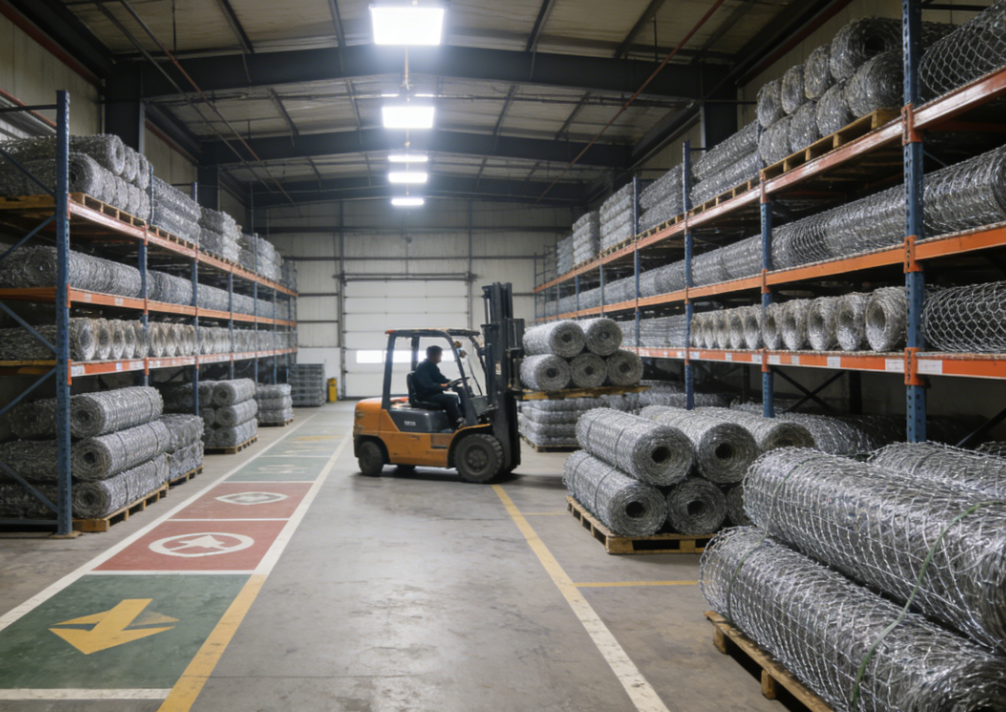
12,000㎡ Standardized Workshop & Warehouse
Our 12,000㎡ fully enclosed standardized workshop and intelligent warehouse are equipped with constant temperature and humidity control. From raw material incoming to finished wire fencing product delivery, the entire process adheres to the ISO 9001 quality management system. With professional forklifts and heavy-duty racks, we ensure the quality stability of cattle wire mesh and other products during production and storage, enabling efficient turnover for bulk orders.
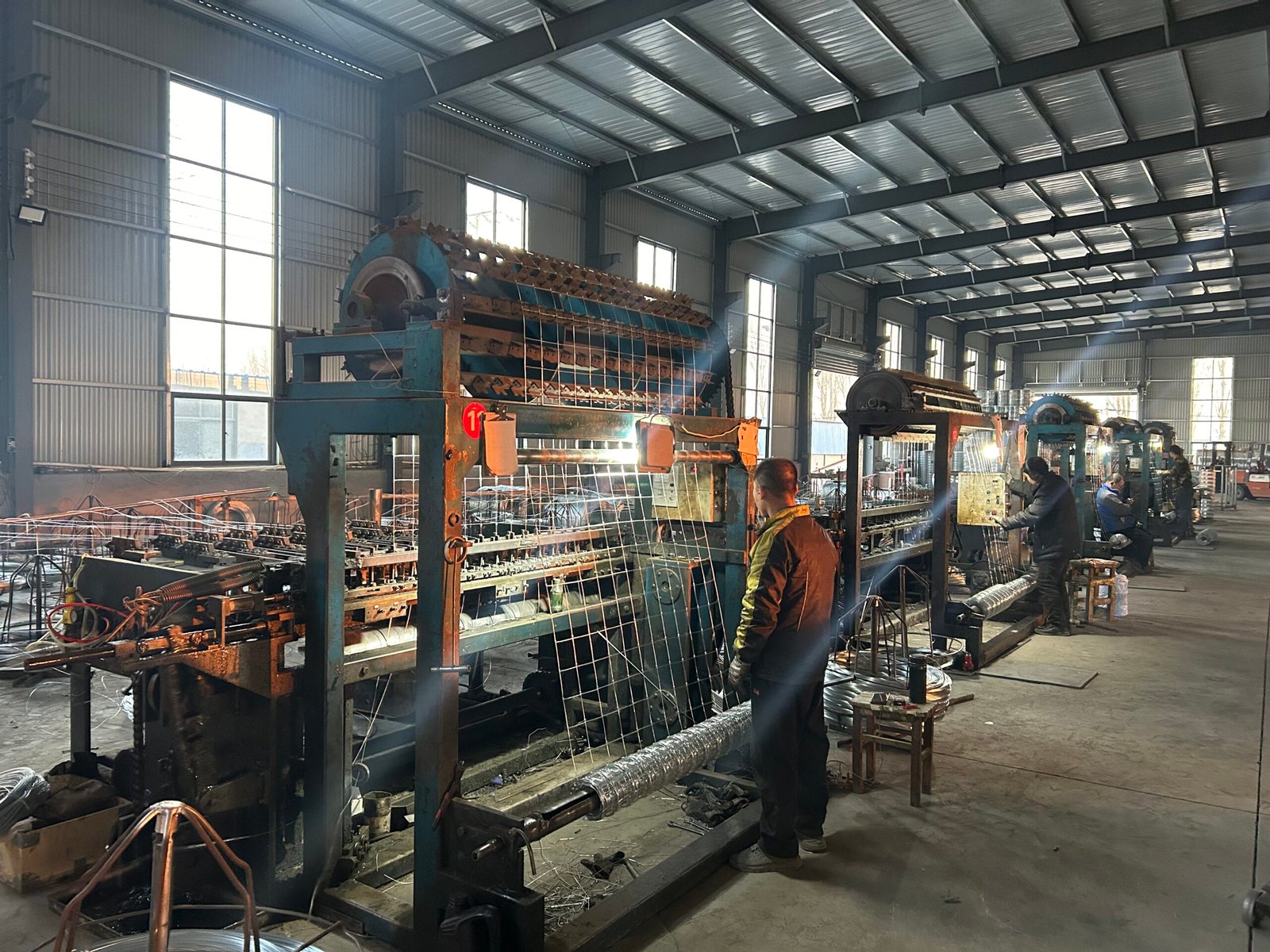
25 Professional Production Lines
Our 25 dedicated production lines are equipped with advanced wire mesh weaving and welding equipment, enabling simultaneous manufacturing of multiple product categories—including cattle fencing, field fencing, and wire mesh panels. This flexible production setup ensures we can handle mixed orders and deliver diverse solutions efficiently, without compromising on quality or lead times.
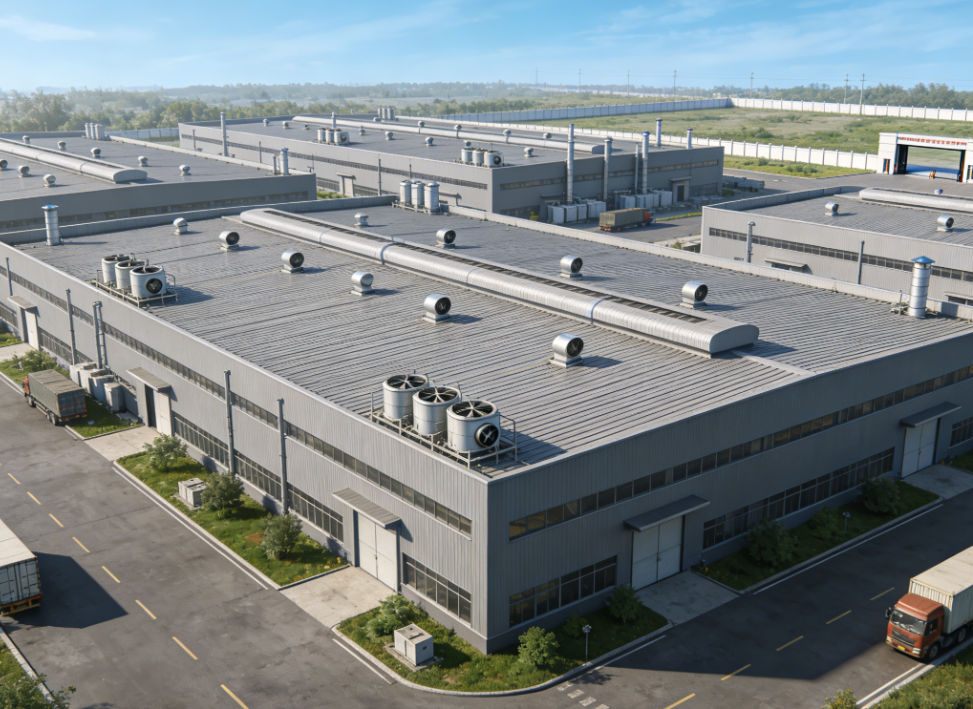
60 Tons Daily Output for Large-Scale Orders
Powered by automated welding and weaving production lines, we achieve a stable daily output of 60 tons of the field fence, allowing us to quickly respond to large-scale procurement requests from global clients. From order confirmation to finished product delivery, our full-link production capacity visualization management ensures short lead times while maintaining strict quality inspection standards, making your large orders both efficient and reliable.
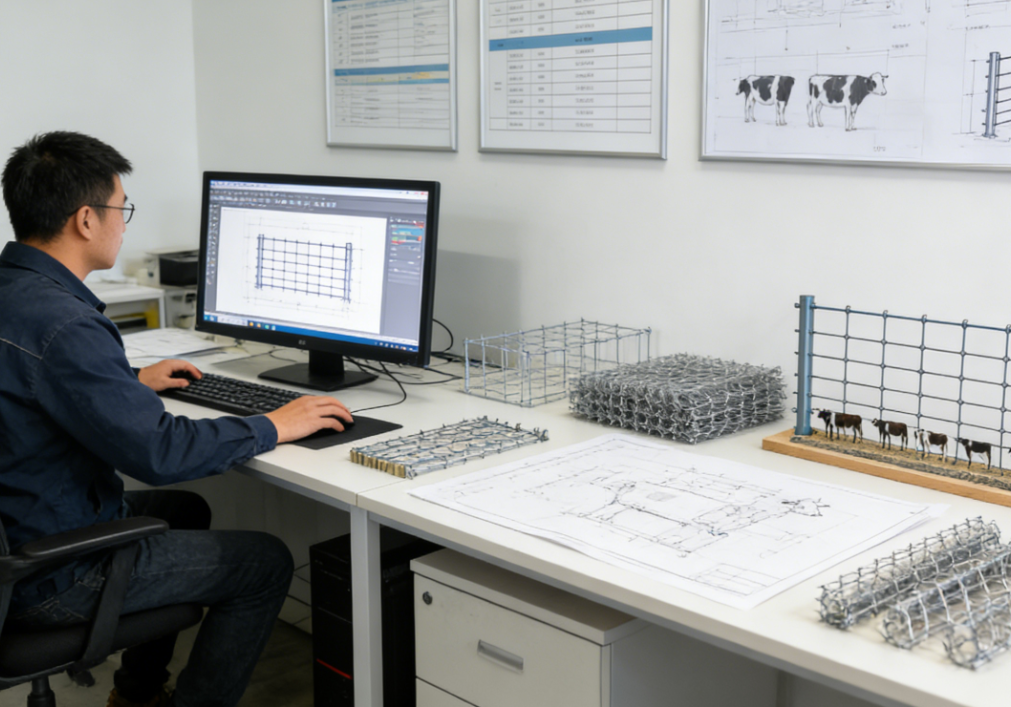
100+ Elite Technical & Engineering Specialists
Our team of over 100 technical experts and engineers brings decades of combined experience in wire mesh design, production, and quality assurance. From custom fencing solutions to precision engineering, they oversee every step—using CAD software for product design, conducting rigorous material testing, and optimizing manufacturing processes—to ensure your products meet the highest standards of craftsmanship and durability.
Factory Production Process: How We Make Durable Cattle Fence Wire
See our cattle fence wire made right—precision, durability, straight from the factory floor.

Why Choose Us
We understand that durable, reliable cattle wire fencing is the backbone of a successful ranch or farm. For over 18 years, we’ve specialized in manufacturing high-quality wire mesh solutions that protect your livestock, withstand harsh weather, and stand the test of time. Our team of experts works closely with you to deliver products that meet your exact needs—whether for large-scale commercial operations or small family farms. Trust us to secure your herd and give you peace of mind.
Our Vision
To become the world’s most trusted partner in livestock fencing solutions, recognized for our uncompromising quality, innovation, and commitment to supporting sustainable ranching practices globally.
Our Mission
Our mission is to pursue our vision through excellence and dedication. We deliver high-quality products and services that empower individuals, support communities, and protect the planet, making a lasting and meaningful difference worldwide.
Our Values
Quality First: We use only premium materials and rigorous testing to ensure our fencing is strong, durable, and long-lasting.
Customer-Centric: We listen to your unique needs and provide tailored solutions that solve your fencing challenges.
Our Story
About Our Company and Our People

As a leading wire mesh manufacturer, we specialize in cattle fence wires—boasting 25 automated production lines (60 tons daily output), ISO-certified quality checks (3 batch tests), and a 100+ R&D team. Our products meet ASTM/EN standards: hot-dip galvanized steel (≥15-year rust resistance) and reinforced knots (800+N tensile strength, fit for large livestock).
With 18+ years of experience, we serve 60+ countries’ farms/ranches, earning 150+ happy clients (92% repeat orders). Our solutions cut maintenance costs by 30% on average.

For over 18 years, we’ve been partnering with farms and ranches across 60+ countries to deliver wire mesh solutions that stand the test of time. Our cattle fence wires are engineered to protect your livestock, reduce long-term maintenance costs, and give you the peace of mind to focus on what matters most—growing your operation. We don’t just sell fencing; we build lasting relationships, backed by ISO-certified quality and a team that’s as dedicated to your success as you are. Let’s work together to create a stronger, more secure future for your farm.
Cattle Farm & Ranch Customer Reviews
“From a Texas ranch owner: ‘We installed 100 rolls of their hot-dip galvanized fence last year. After 6 months of heavy rain and summer heat, there’s zero rust — way better than the local fence we used before. The team also helped us adjust the mesh size for our young calves, which solved our escape problem completely.’”
“The cattle fencing we received is incredibly durable and has withstood heavy rain and strong winds without any issues. The installation was straightforward, and the team provided clear guidance. We’ve had zero problems with our livestock escaping since we installed it—highly recommend for any ranch!”
“We’ve been importing cattle fencing from this factory for 3 years, and their consistency is unmatched. They always meet our large order deadlines, and the quality control is rigorous—we rarely have any returns. Their technical team also helps us customize products for different markets, which has been a huge plus for our business.”
Hot-Dipped Galvanized Cattle Panel: 8 Most Frequently Asked Questions from Manufacturers
Find answers to commonly asked questions about our Wire Mesh.
Hot-dipped galvanized cattle panels typically have a service life of 30 years or more under normal outdoor environmental conditions. This extended durability stems from their unique corrosion resistance mechanism: the zinc coating provides a physical barrier for the steel wire, and even if the coating is scratched, the exposed steel remains protected by cathodic action from the zinc, preventing overall oxidation. Actual lifespan length is influenced by multiple factors. Zinc coating thickness is a critical parameter—under standard conditions, a coating of 60-100 grams per square meter is sufficient, but in high-humidity or saline-alkaline regions (such as coastal areas), it is recommended to select a heavier coating of around 230 grams per square meter to ensure a service life of 35 years or longer. Climate conditions at the installation location are equally important: panels in dry, well-ventilated areas may last longer, while continuous moisture or chemical corrosion environments can accelerate degradation. Installation and maintenance quality are equally significant—proper installation and regular inspections can substantially extend the product’s service cycle.
Choosing the correct cattle panel specifications is critical to achieving proper containment functionality and involves three main parameters: mesh opening size, wire diameter, and panel width. Mesh opening size determines the containment target: for poultry (chickens, ducks) and small sheep, select 6×15 centimeter openings; for standard cattle and medium-sized sheep, select 8×16 centimeter openings (the most common market specification); for large cattle, horses, and camels, select 9×18 or 10×20 centimeter openings. Oversized openings risk allowing animals to push their heads through, while undersized openings waste cost and obstruct visibility. Wire diameter relates to impact resistance: small-opening panels typically use 3.0-3.5 millimeter wire diameter, standard panels use 3.5-4.0 millimeters, and large-opening panels require 4.0-5.0 millimeters. Thicker wire better resists livestock collision impacts but increases cost accordingly. Panel width (roll height) ranges from 0.8 to 1.5 meters; selection should consider the jumping ability of livestock and pasture management practices. General guidelines are: small sheep require 0.8-1.0 meters, cattle require 1.0-1.2 meters, horses and large livestock require 1.2-1.5 meters. Additionally, environmental humidity influences coating thickness selection: damp regions should select thicker galvanized layers (130 grams per square meter or more).
Compared to other types of fence materials, hot-dipped galvanized cattle panels have minimal maintenance costs, essentially qualifying as “maintenance-free.” This is a core advantage over uncoated steel and wooden fencing. Routine maintenance simply requires: visual inspection every six months to one year to check for obvious scratches or coating deterioration; cleaning mesh surfaces of debris, fallen leaves, and encroaching vegetation to prevent organic matter from accelerating corrosion; increasing inspection frequency in damp or saline-alkaline regions to quarterly intervals. If localized scratches or small rust spots are discovered, apply rust-preventative paint for local spot treatment at minimal cost. Over the product’s entire lifecycle, maintenance expenditures typically do not exceed 5% of the initial purchase cost. This contrasts dramatically with traditional fencing requiring periodic repainting for rust prevention; over a 30-year service period, maintenance savings can be substantial. This economic advantage means that even with relatively higher initial investment, the long-term total cost of ownership is actually lower.
Understanding lead times is essential for project planning. Manufacturers typically provide delivery commitments based on order quantity—the general principle is to follow contract terms agreed between customer and manufacturer, delivering on schedule to avoid delays in construction timelines. Small batch custom orders (such as 1-5 tons for an individual farm) typically require 2-4 weeks of production; medium batches (5-20 tons) require 3-6 weeks; large orders (20+ tons) may receive priority scheduling and cost advantages, though specific timelines vary by production capacity. Sample provision is a common manufacturer service: most companies provide free product samples for customer quality verification, though international shipping costs are typically borne by customers. Sample delivery usually takes 1-2 weeks. Regarding technical support, manufacturers typically support on-site factory visits or remote video tours to familiarize customers with production processes, quality control procedures, and storage capabilities—essential for building confidence in large orders. For shipping, standard practice charges by cubic meter or tonnage, with large-volume orders typically enjoying optimized logistics costs.
Although both processes provide corrosion protection, their performance differences are significant and should be carefully considered based on the application environment. Hot-dip galvanizing immerses the mesh completely in molten zinc liquid (approximately 450°C), where zinc attaches to the steel surface through metallurgical bonding, forming multiple layers of zinc-iron alloy coating with a typical thickness of 60-230 grams per square meter. Its advantages include a thick, highly adhesive coating with excellent corrosion resistance; even localized scratches retain self-protective properties, making it ideal for prolonged outdoor use, especially in harsh environments. The disadvantage is higher relative cost and longer production cycles. Cold galvanizing (electroplating) uses electrochemical methods or organic zinc particle coatings to create thin layers (typically 5-25 micrometers) with adhesion primarily dependent on static electricity or chemical bonding. Its advantages are low cost, rapid production, and uniform appearance. However, corrosion resistance is relatively weaker and best suited for indoor or non-harsh environments. Industry consensus is clear: for livestock containment fencing requiring long-term outdoor protection, hot-dip galvanizing is the optimal choice.
Professional installation is fundamental to ensuring long-term, effective fence operation. First, conduct site preparation and surveying: extend the planned fence line outward by 4 meters on each side (creating an 8-meter-wide strip) and level this area, removing obstacles and unstable materials. This determines subsequent post verticality and overall structural stability. Second, establish the post system, which serves as the structural backbone. Install corner posts (also called gate posts) at corners and entry points, then place center posts (also called main posts) at 400-meter intervals along the planned route. Between every two center posts, install smaller posts at 10-meter intervals. Burial depth requirements are strict: corner and center posts should be buried 0.8 meters deep or more, small posts 0.5 meters or more, with support bracing to enhance stability. Third, unfold and tension the mesh: deploy the fence from the corner post position, with the tighter mesh opening facing downward (for added protection of small animals), and fix mesh joints with wire ties. Use tensioning tools (wire stretching devices) to tighten the lateral lines, performing tension adjustments every 200 meters to ensure even tension—this is a frequently overlooked but critical step; uneven tension causes sagging or wrinkling in certain areas. Finally, perform binding and reinforcement: use a “skip one lateral wire, bind one lateral wire” pattern to secure the mesh to the small posts, offsetting binding points between adjacent small posts to improve wind resistance. Connect barbed wire to the mesh with at least two hooks between every two small posts.
Cattle panels are classified by their connection method as either welded mesh or woven mesh, each with distinct performance characteristics and application domains. Welded mesh uses electric-resistance welding to fix steel wires at intersection points; mesh openings are completely uniform with strong rigidity. Its advantages include: smooth, regular appearance with stable, fixed structure, maintaining consistent opening dimensions regardless of loading direction for easier management and cleaning; strong compression capacity to withstand direct impacts; convenient transportation with compact flat packaging. The disadvantage is that welding points become stress concentration areas; excessive external pressure can cause weld fracture, resulting in complete mesh failure. Woven mesh intertwines steel wires without fixed welding points. Its advantages include: high flexibility, deforming under pressure but recovering to original shape after load release; lower overall damage risk, with localized breaks not causing total collapse; superior impact resistance, particularly effective against large wild animal charges. Disadvantages are relatively loose structure, sagging under pressure requiring frequent tension adjustments, and large package volume in rolled form. Selection recommendations: for large livestock farming (cattle, horses, camels) with predictable animal behavior and controlled conditions, select welded mesh for superior structural control; for wildlife protection, complex terrain, or applications requiring flexible response to varying impact forces, select woven mesh for better adaptability.
Cattle panel pricing does vary considerably (from ¥6/meter to ¥145/meter or USD $0.85-$20.50/meter), resulting from multiple technical and market factors working in combination. The most critical technical factors are mesh opening size and wire diameter: small-opening (6×15 centimeters) low-cost products cost approximately ¥6-¥20/meter ($0.85-$2.85/meter) due to thinner steel wire and denser weaving; standard specifications (8×16 centimeters) cost ¥15-¥45/meter ($2.15-$6.40/meter); large-opening types (10×20 centimeters) requiring thicker wire and higher tension design cost ¥60-¥145/meter ($8.50-$20.50/meter). Zinc coating thickness is the second major pricing factor: 60-100 grams per square meter coating forms the cost baseline; the heavier 230 grams per square meter coating for damp regions increases costs by 20-30%. Customization extent significantly impacts pricing—large-volume standard specification production amortizes fixed costs, while small-batch or custom-shaped orders increase per-unit costs by 30-50%. Brand and quality certifications also matter: manufacturers with ISO certifications, international export credentials, or long-standing industry reputation typically command higher prices, reflecting quality assurance and after-sales service costs. Raw material fluctuations and labor costs vary over time and by region. For procurement, obtain quotes from at least three established manufacturers; compare identical specifications by examining detailed technical parameters (wire diameter, coating thickness, mesh opening size, packaging method) rather than comparing unit price alone, to achieve optimal price-to-performance value.
Stop Wasting Money on Flimsy Fences—China’s Trusted Cattle Wire Manufacturer
18+ years making fence wire for global farms. Fast delivery, bulk discounts, and after-sales support.
