Woven Cattle Fence Wire Products

- Use fixed-knot, hinge-joint and S-knot as research paths, not universal strength, cost or animal-suitability rankings.
- Compare the exact offered model, wire components, mesh layout, coating and complete supply scope.
- Reuse the existing company evidence below; confirm current offers through each company's official contact route.
- This overview does not approve a design, installation or animal-containment system.
Woven product research, not an inventory offer
This page connects woven-fence guide topics to existing Chinese company records and purchasing documents. A family name, guide title or illustration is not proof of stock, tested performance or suitability. The retained images illustrate the topic; they are not evidence of platform inventory or an available order.
Prepare one model-specific requirement
Record the intended fence role, animal groups and life stages, measured layout, site conditions, drawing revision and destination. Keep unresolved assumptions visible. Ask each company to respond to the same requirement revision, identifying the offered model and excluded items. The material selector is a research starting point, not design approval. Use the fence-type entry if the material family is undecided.
Turn a product choice into a written specification
Choose a knot system first, then ask for a dated specification for the proposed product. A product-family description does not establish available combinations, stock or an agreed order specification.
| Record separately | Ask the supplier to confirm |
|---|---|
| Fence design | Height, number of horizontal wires, spacing between stays and the graduated horizontal spacing pattern. |
| Each wire component | Top/bottom, intermediate line, stay and knot-wire nominal diameters in mm; gauge convention if also quoted; agreed tolerances. |
| Material and coating | Strength designation, coating type/class and the applicable standard with edition. |
| Roll and package | Roll length and quantity, declared mass basis, package count, labels and handling information. |
| Evidence and approval | Specification revision, required inspection records, responsible reviewer and unresolved exceptions. |
Manufacturer catalog layouts illustrate why these fields matter: the Bekaert 2025 catalog — https://fencing.bekaert.com/content/dam/sws-b2c/pdf/Bekaert_Fencing_Product_Catalog_2025_SinglePages.pdf distinguishes design, height, spacing, roll length and coating. It is a third-party reference, not our inventory or an offer to supply Bekaert products.
Download the blank specification record (CSV), then use the order confirmation workflow. For terms and units, see the standard and unit checklist.
Continue from a product system to existing company evidence
These links reuse current CattleFenceWire profiles. They connect an official website's published product scope to a research route; they do not establish equivalent construction, certification, stock, current availability or suitability for an order.
- Fixed-knot: Orientland and RONGTAI.
- Hinge-joint: RONGTAI and Lianjia.
- S-knot: Tailong and KUNYU FENCING.
Open the profile to see the reviewed source, published region, official company contact route and unresolved purchasing questions. For electric fencing, tubular panels, posts and barbed wire, use the company directory.
Existing woven-fence guide routes
Hinge-joint guide
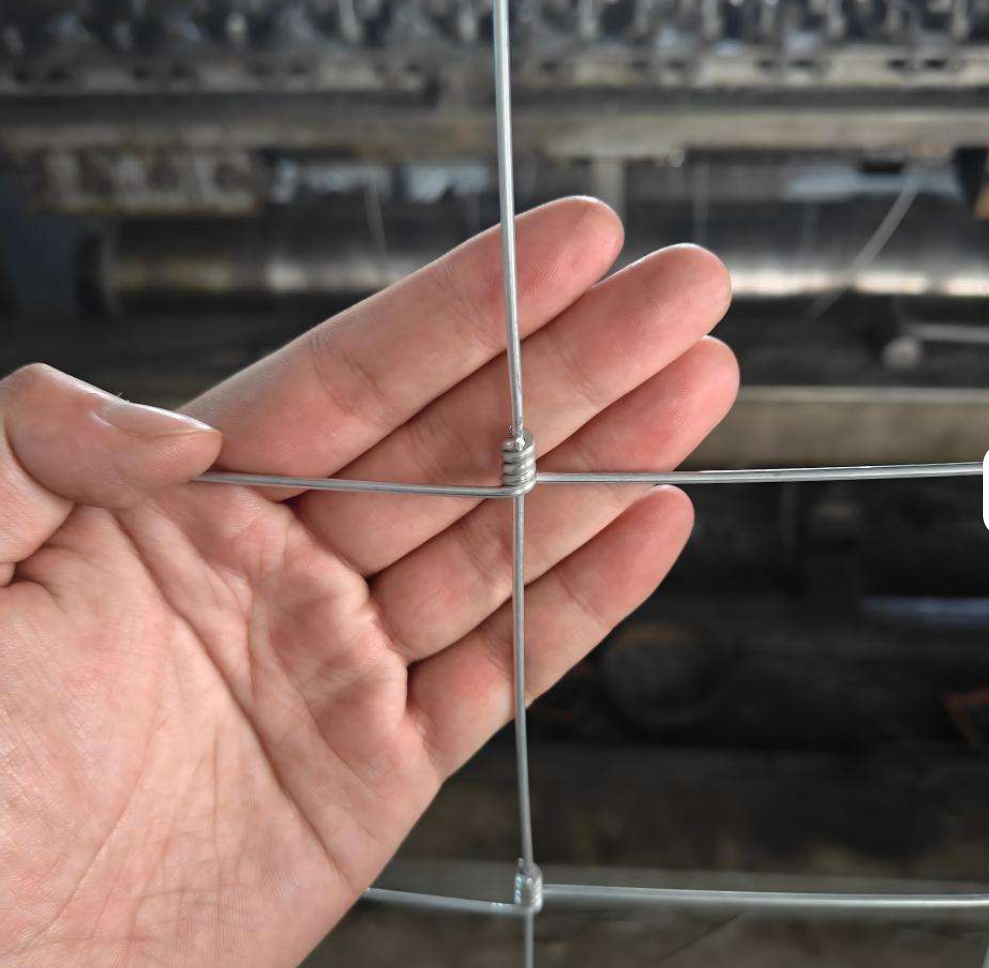
Open the hinge-joint guide to identify document questions. Confirm the offered knot detail and model; do not infer a light-livestock or interior-only rating from the family name.
S-knot guide
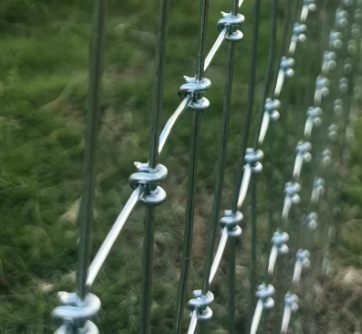
Open the S-knot guide. Request the offered connection detail, wire-component specification and mesh layout rather than assigning a middle strength or cost tier.
Fixed-knot guide
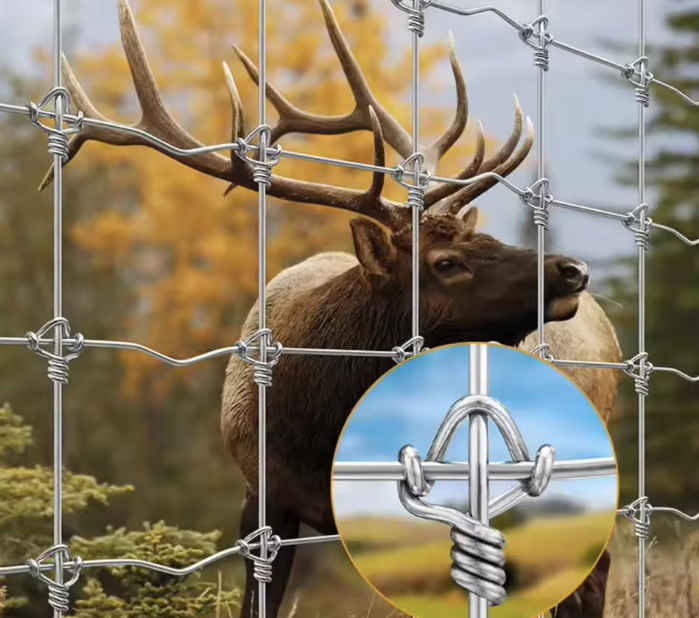
Open the fixed-knot guide. Request model-specific documents; the name alone does not establish a highest-strength ranking or suitability for bulls, bison or any other animal group.
Compare documents, not universal tiers
| Field | What to confirm for every offered model |
|---|---|
| Knot | Drawing or detail identifying the offered connection and stay arrangement. |
| Mesh | Wire count, height, openings, stay spacing, roll length, units and tolerances. |
| Wire | Separate line, stay, knot and top/bottom component specifications and relevant evidence. |
| Finish | Offered process, agreed requirement, document revision and represented order or batch. |
| Scope | Posts, braces, gates, fittings, packing, delivery basis and exclusions, recorded separately. |
A fair comparison needs like-for-like model documents and a complete written scope. This page supplies no family-wide strength, flexibility or price ranking. The existing knot comparison guide is a separate research route, not a validated performance result for the offered product.
Keep project questions separate from product ratings
The following existing pages organize topic research. Their names are not guarantees, and they have not been revalidated in this correction.
- Bull-pen and animal-pressure topics
- Wildlife-exclusion topics
- Ranch and perimeter topics
- Rotational-grazing topics
- Terrain topics
- Mixed-livestock questions
- Temporary and portable-system topics
Scope of this overview
This URL remains a woven-wire overview. Electric systems, tubular panels, posts and barbed wire have separate material and company research routes in the directory. No empty region, new company or additional product guide is created here.
Confirm the offered joint, not a rule of thumb
Ask for a drawing and component specification that identify the actual offered construction. Keep naming, dimensions, wire properties, coating and test evidence separate. No automatic fixed-knot recommendation for demanding sites or hinge-joint recommendation for general cattle use is supplied here. Project-specific structural and animal-containment decisions require appropriate model documents and competent review; this overview is not a construction, inspection or release instruction.
Need help navigating the resources?
Contact the platform for resource-navigation questions. The platform does not promise an optimal engineered product recommendation, confirm supplier stock or issue a supplier's commercial offer. Use each company profile's official route to confirm current terms and the exact offered product.
Woven Wire Fence Joint FAQ
What are the joints in a woven wire fence?
Use the offered drawing and component specification to identify the joint and stay arrangement. A joint-family name is not a complete model specification or a performance rating.
Which woven wire fence joint is strongest?
This overview does not rank joint families by strength. Request comparable model-specific wire, mesh, joint and test documents, and obtain appropriate project-specific review rather than relying on a family name.
What is the difference between fixed knot and hinge joint?
Treat the names as separate catalogue research routes. Confirm each offered construction from its drawing and wire-component documents; do not infer a universal cost, flexibility or animal-suitability ranking.
What gauge wire is used in woven cattle fence?
Request actual diameters, units, tolerances and any quoted gauge convention separately for line, stay, knot and top/bottom wires. No universal gauge or strength range is assigned here.
Preparing a woven-fence purchase?
Prepare comparable requirements and use each company profile’s official contact route for model documents, prices and delivery terms. Contact the platform for help navigating the resources. Platform messages are not automatically forwarded to listed companies.
Contact Platform