
Best Electric Fence for Cattle: Top Options for Every Farm Situation
Electric fencing has become the preferred containment method for cattle operations of all sizes, offering cost-effective livestock management, flexible paddock configuration, and psychological barriers that cattle quickly learn to respect. Whether you’re managing a large ranch, implementing rotational grazing, working within budget constraints, protecting against predators, or needing temporary solutions, the right electric fence setup can transform your operation’s efficiency and profitability.
This guide breaks down the best electric fence systems for specific cattle management scenarios. You’ll learn which configurations work best for different pasture sizes, grazing strategies, budgets, and security needs, along with practical recommendations on energizers, wire types, post systems, and management practices that make electric fencing effective.
Electric fencing works as a psychological barrier rather than a physical one. Cattle receive a brief, harmless electrical pulse when they contact the fence, teaching them to avoid the boundary. This behavior-based system requires far less material than traditional fencing, adapts easily to terrain changes, and allows for quick reconfiguration as management needs evolve.
How to Choose the Best Electric Fence for Cattle
Selecting the right electric fence system requires matching your setup to your specific farm conditions, cattle characteristics, and management goals. The best electric fence for your operation depends on several interconnected factors that influence both initial investment and long-term performance. Understanding these factors before purchasing equipment prevents costly mistakes and ensures your fencing system performs reliably.
Pasture Size & Layout
Pasture acreage and terrain directly determine energizer power requirements and fence configuration. Large pastures exceeding 100 acres require high-output energizers capable of maintaining voltage across long fence runs, typically rated at 5 joules or higher. Smaller properties under 20 acres function effectively with mid-range energizers between 1.5 and 3 joules. Terrain matters equally: rolling land with vegetation contact points demands more powerful energizers to compensate for voltage loss through plant material touching the fence.
Pasture layout influences wire selection and post spacing. Long, straight runs allow for wider post spacing and permit use of high-tensile smooth wire on permanent installations. Irregular boundaries or wooded areas benefit from polywire or polytape on temporary posts, providing flexibility to navigate obstacles. Properties with multiple separate pastures require strategic energizer placement or may benefit from multiple smaller energizers rather than one large central unit.
Power Source Options (AC, Solar, Battery)
AC-powered energizers plugged into standard electrical outlets deliver the most consistent power output and require minimal maintenance. These units suit operations with accessible electricity near fence lines and provide reliable performance regardless of weather conditions. AC energizers typically cost less per joule of output than solar or battery alternatives, making them economical for permanent perimeter fencing.
Solar-powered energizers offer installation flexibility anywhere on your property without trenching for electrical lines. Modern solar units perform reliably even in partially cloudy conditions, though battery capacity becomes critical during extended overcast periods. Solar systems work exceptionally well for rotational grazing setups that move frequently, remote pasture subdivisions, and operations expanding fence systems where electrical infrastructure doesn’t exist. Battery capacity should match energizer draw: larger energizers require larger batteries and solar panels to maintain charge.
Battery-only energizers provide portable power for temporary fencing situations lasting days or weeks. These units require regular recharging and work best for short-term grazing scenarios, rented pasture, or emergency containment. Battery life varies from several days to several weeks depending on energizer power draw, battery capacity, and fence length. Most cattle operations use battery energizers as backup systems or for specialized temporary applications rather than primary containment.
Cattle Type & Pressure
Cattle temperament and training determine minimum effective fence specifications. Well-trained cattle that respect boundaries require less robust systems than young stock, newly introduced animals, or bulls. Mature cows in established pastures with adequate forage apply minimal pressure to fencing and can be contained with single or two-wire systems. Calves and yearlings test boundaries more frequently and benefit from three-wire configurations with lower strand placement to prevent ducking under.
Bulls and cattle in breeding groups create high-pressure situations requiring maximum-strength systems. Bulls during breeding season may challenge fences aggressively, necessitating energizers rated for at least 5 joules, properly grounded systems, and multiple wire strands. Mixed groups with varied ages and temperaments should be fenced to accommodate the most challenging animals in the group. New cattle require training periods where they learn fence boundaries under supervision before trusting the system alone.
Budget vs Long-Term Cost
Initial equipment investment represents only a portion of electric fencing’s total cost. Lower-priced energizers often prove more expensive over time through higher failure rates, frequent battery replacements, and inadequate power output leading to livestock escapes. Quality energizers from established manufacturers typically include warranties ranging from two to five years and demonstrate reliable performance across decades. The cost difference between budget and professional-grade energizers often amounts to less than the value of a single escaped animal.
Wire selection similarly balances upfront cost against longevity and performance. Polywire costs significantly less than high-tensile smooth wire initially but deteriorates under UV exposure and requires replacement every three to seven years depending on quality. High-tensile wire carries higher initial material and installation costs but lasts 30 years or more with minimal maintenance. For temporary or frequently moved fencing, polywire’s lower cost and easy handling justify regular replacement. For permanent perimeter fencing, high-tensile wire’s durability delivers better value despite higher initial expense.
Temporary vs Permanent Needs
Temporary electric fencing prioritizes portability and quick setup over maximum durability. These systems use lightweight components like polywire, tread-in posts, and portable reels that one person can install or move in minutes. Temporary fencing excels for rotational grazing, seasonal pasture use, rented land, and adaptive grazing management where paddock size and configuration change regularly. Components store compactly during off-seasons and transport easily between locations.
Permanent electric fencing emphasizes longevity and minimal maintenance through substantial posts, durable wire materials, and robust installation techniques. Permanent systems use treated wood posts or heavy-duty fiberglass posts set firmly into the ground, high-tensile smooth wire or coated wire that resists corrosion, and professional-grade insulators designed for decades of service. These installations suit perimeter boundaries, lane ways, and pasture divisions that remain fixed across years. Permanent systems require greater initial labor and material investment but deliver reliable containment with minimal annual maintenance.
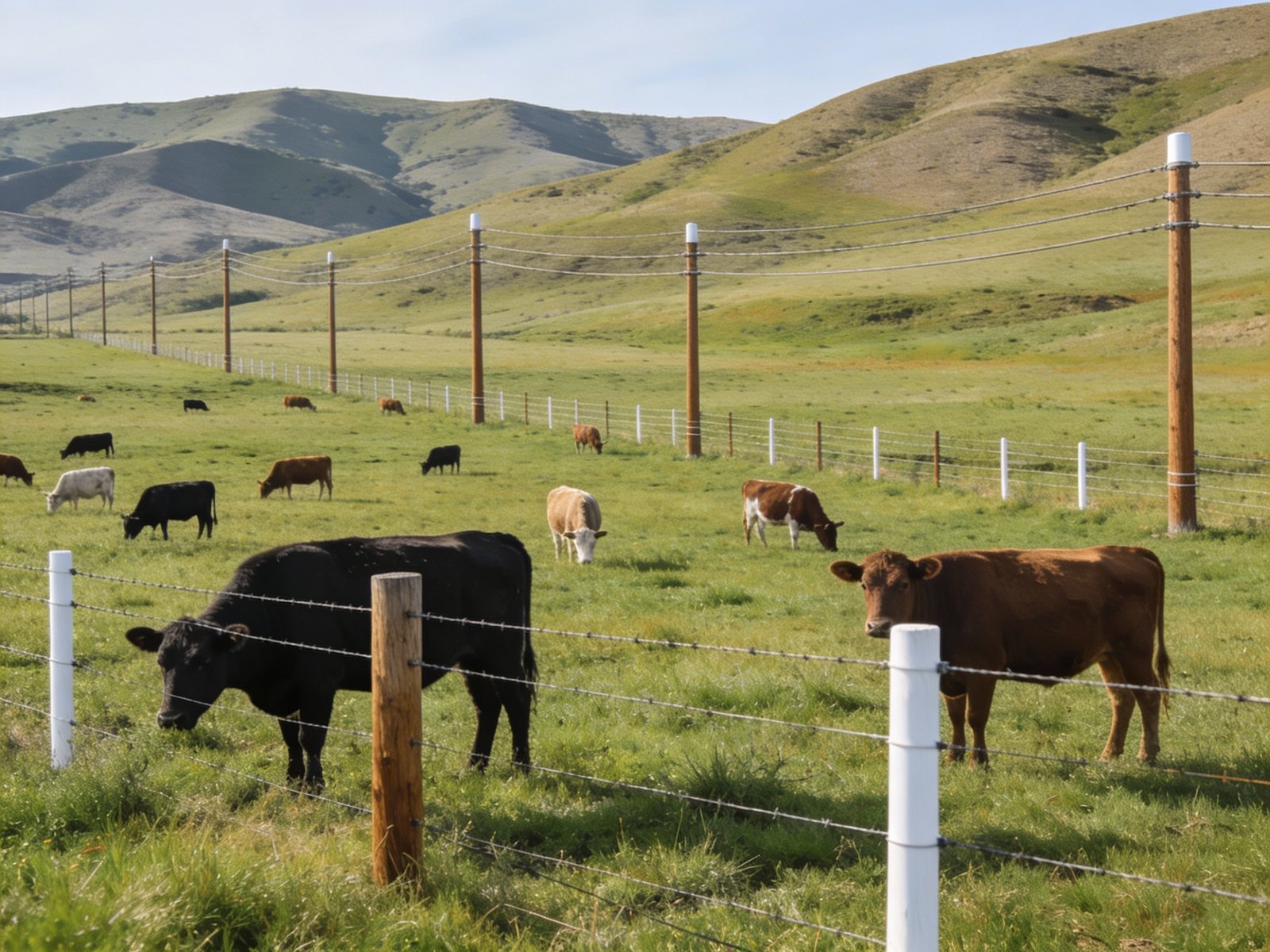
Best Electric Fence for Large Pastures
Large cattle pastures spanning 100 acres or more demand electric fence systems capable of maintaining adequate voltage across extensive fence runs while withstanding vegetation interference and variable weather conditions. The challenges of large-scale fencing include voltage drop over distance, maintaining consistent ground contact across diverse terrain, and providing sufficient power to overcome vegetation loads during growing seasons.
Recommended Fence Setup
The optimal large-pasture electric fence uses a high-output AC-powered energizer rated between 6 and 10 joules, delivering consistent power sufficient for fence lines extending 15 to 30 miles or more. This energizer connects to a perimeter fence constructed with either five to seven strands of smooth high-tensile wire spaced vertically from 10 inches at ground level to 48 inches at top strand, or a three-strand system using 12.5-gauge high-tensile wire with wider spacing at 14, 28, and 42 inches from ground level.
Wire selection for large pastures typically favors smooth high-tensile wire over polywire or polytape. High-tensile wire maintains electrical conductivity across long distances far more effectively than poly products, experiences minimal voltage drop, and withstands years of weather exposure without degradation. Galvanized 12.5-gauge wire provides excellent balance between conductivity, strength, and cost. Corner and brace assemblies require substantial construction to handle wire tension, typically using treated wooden posts set at least 3.5 feet deep with proper bracing.
Line posts can be spaced widely in large-pasture installations, typically 40 to 80 feet apart depending on terrain and cattle pressure. Fiberglass posts provide excellent service for large pastures, combining durability, ease of installation, and integrated insulation that eliminates separate insulators. The grounding system becomes critical in large installations: at minimum, install three 6-foot copper-coated ground rods spaced 10 feet apart near the energizer, connected with galvanized ground wire. Properties with dry or rocky soil may require additional ground rods for adequate earth return.
Why This Setup Works for Large Acreage
High-output energizers overcome the inherent challenges of extensive fence systems. Voltage naturally drops as electrical current travels through wire over long distances, and vegetation contacting the fence creates additional current drain. Large-pasture energizers generate sufficient initial voltage that adequate shocking power remains even after accounting for these losses. The energizer’s pulse energy measured in joules determines its ability to deliver effective shock through vegetation loads common in large grazing operations.
Multi-strand wire configurations provide failsafe redundancy: if one wire strand becomes grounded through vegetation or damage, remaining strands continue containing livestock. Strand spacing creates visual barriers at multiple heights that accommodate cattle of different ages and sizes. Lower strands near ground level deter calves from ducking under, while upper strands contain adult cattle. This configuration also provides some deterrence against predators attempting to enter the pasture.
The substantial initial investment in high-quality materials for large-pasture fencing pays dividends through minimal maintenance requirements and decades-long service life. High-tensile wire requires occasional re-tensioning but rarely needs replacement. Quality insulators and posts withstand weather exposure across decades. The time and labor saved through infrequent maintenance makes premium materials economically justified for large permanent installations.
Estimated Cost Range
Complete large-pasture electric fence installations typically cost between $1.20 and $2.50 per linear foot including all materials and basic installation labor. This range accounts for a 100-acre pasture with approximately 5,280 feet of perimeter fencing using three-strand high-tensile configuration. Material costs break down approximately as follows: high-output energizer ($400 to $800), high-tensile wire ($150 to $250 per mile), treated wooden corner posts and bracing ($25 to $40 per corner assembly), fiberglass line posts ($3 to $6 each), insulators ($0.40 to $1.00 each), and grounding system ($80 to $150).
Labor represents a significant portion of total installation cost, particularly for corner and brace assembly construction that requires skill and time. Property owners with basic carpentry skills and ability to drive posts can substantially reduce costs through self-installation. Professional installation typically adds $0.60 to $1.20 per linear foot to material costs. Cost per acre decreases as pasture size increases since perimeter fencing represents a smaller proportion of total acreage in larger pastures.
Best Electric Fence for Rotational Grazing
Rotational grazing management requires electric fencing that moves quickly and easily, sets up with minimal time investment, and provides reliable containment despite frequent reconfiguration. The ideal rotational grazing fence combines lightweight portable components with sufficient effectiveness to contain cattle in temporary paddocks ranging from a few hours to several weeks. Speed and simplicity become paramount since fence setup and takedown occur regularly throughout the grazing season.
Recommended Fence Setup
The optimal rotational grazing system uses portable polywire or polytape supported by step-in posts, powered by a solar-charged battery energizer that moves with the fence system. Polywire offers the most economical option for rotational systems, combining adequate visibility, reasonable durability, and easy handling. Polytape provides enhanced visibility especially valuable when training cattle to new paddocks, though it costs more and may suffer wind damage in exposed locations. Most operations find 1/4-inch polywire or 1/2-inch polytape provides good balance between cost and functionality.
Step-in posts represent the foundation of portable rotational systems. These fiberglass or composite posts feature pointed ends and integrated foot treads allowing one person to install posts quickly by stepping down firmly. Quality step-in posts include multiple wire clips at various heights, enabling single or multi-strand configurations. Post spacing in rotational systems typically runs 12 to 20 feet depending on terrain, cattle pressure, and wire tension. Closer spacing increases setup time but provides better support and more consistent wire height.
Solar energizers designed for rotational grazing combine weatherproof construction, integrated battery storage, and sufficient power output for temporary fence applications. Units rated between 0.5 and 2 joules handle most rotational grazing situations effectively. The complete system should include a portable grounding rod that moves with the energizer, gate handles for creating entry points, and wire reels that allow rapid deployment and retrieval of polywire. Many operations use multiple parallel reels to quickly establish multi-strand configurations.
Why It Works for Rotational Grazing
Portability drives every component selection in rotational systems. Step-in posts install in seconds without tools, polywire deploys rapidly from reels, and solar energizers eliminate need for electrical infrastructure. One person can typically establish 1,000 feet of single-strand fence in 15 to 30 minutes with practice. This speed makes daily or twice-daily paddock moves practical even on busy farm schedules. Lightweight components allow easy transport: complete fencing for several acres fits in a pickup truck bed or utility vehicle.
The temporary nature of rotational fencing permits lighter construction than permanent systems. Cattle respect the psychological barrier of electric fence even when physical posts and wire appear less substantial than permanent installations. Since rotational paddocks contain cattle for short durations, pressures against fencing remain minimal compared to permanent pastures. Animals have fresh forage immediately available, reducing motivation to test boundaries, and paddock sizes ensure adequate nutrition without requiring fence challenges.
Rotational grazing fence flexibility supports adaptive management strategies. Paddock sizes adjust easily based on forage availability, cattle numbers, and desired grazing intensity. Fence lines route around terrain features, mud zones, or areas requiring rest from grazing. This adaptability allows managers to optimize pasture utilization and animal performance while responding to changing conditions throughout the grazing season. The same components that contain cattle in summer paddocks store compactly during winter months.
Management Tips for Daily Moves
Establishing consistent routines dramatically improves efficiency in rotational grazing systems. Moving cattle and fence at the same time daily helps animals anticipate the routine and cooperate during transitions. Many operations find morning moves work well, giving cattle fresh paddocks for peak daytime grazing hours. Using call signals like shaking feed buckets or vocal cues conditions cattle to follow voluntarily rather than requiring physical driving.
Strategic placement of water and mineral supplements influences cattle behavior and fence effectiveness. Positioning water access between paddocks allows animals to drink without requiring fence modifications. Locating mineral feeders along future fence lines encourages cattle to congregate near planned movement corridors. Some operations leave a narrow strip of previously grazed paddock accessible, providing familiar territory that reduces stress during moves to new areas.
Maintaining adequate fence voltage prevents escape attempts and reinforces psychological barriers. Check fence voltage regularly using a digital fence tester, ensuring at least 3,000 volts at the furthest point from the energizer. Weekly checks of energizer battery charge prevent power failures. Keep polywire clean and free from vegetation contact by mowing or string-trimming fence lines if necessary. Teaching cattle to respect electric fencing before implementing intensive rotational grazing establishes better behavior patterns and reduces management challenges throughout the season.
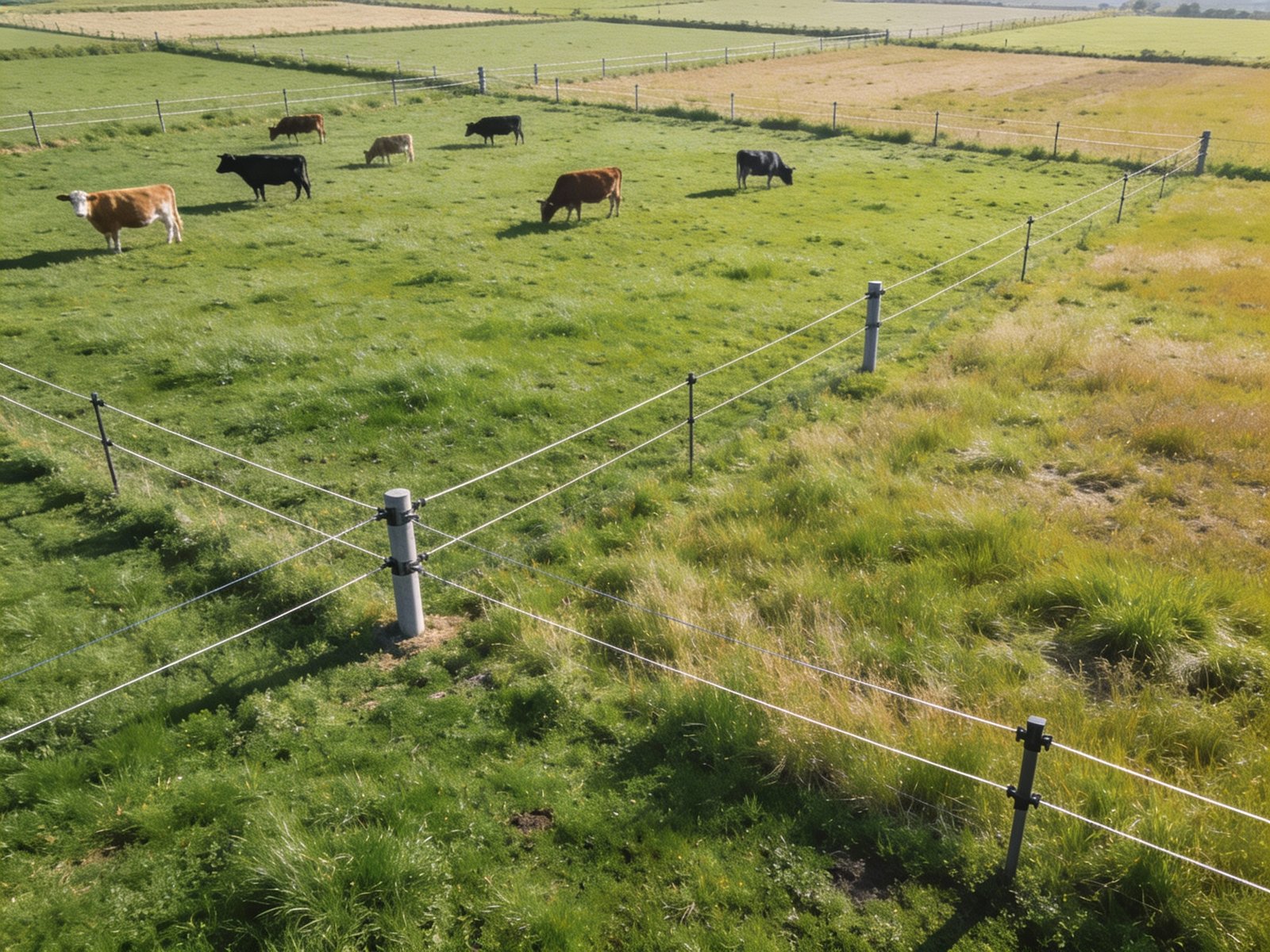
Best Budget Electric Fence for Cattle
Budget-conscious cattle operations can implement effective electric fencing through strategic component selection and willingness to accept certain limitations and maintenance requirements. While premium equipment offers advantages in durability and convenience, entry-level systems provide adequate containment for well-trained cattle under appropriate conditions. Understanding cost-saving opportunities and their associated trade-offs allows operators to minimize investment while maintaining effective livestock management.
Lowest-Cost Effective Configuration
The most economical electric fence for cattle uses a mid-range battery or solar energizer rated between 0.5 and 1.5 joules, two strands of economy-grade polywire, and basic fiberglass posts spaced closely enough to maintain wire height. Budget energizers from established manufacturers provide adequate power output for smaller pastures and well-trained cattle despite lacking features like digital displays, remote monitoring, or extended warranties. Solar units in this range typically include smaller solar panels and battery capacity sufficient for fence runs under five miles.
Economy polywire represents significant cost savings compared to high-tensile wire or premium poly products. Basic polywire consists of multiple strands of thin wire woven with plastic fibers, providing adequate conductivity for short to moderate fence runs. While these products deteriorate faster under UV exposure than premium alternatives, typical service life of three to five years proves acceptable when balanced against purchase price. Two-strand configurations reduce material costs while providing sufficient visual barrier and shock delivery for mature cattle.
Post selection offers another cost-reduction opportunity through use of basic fiberglass posts without premium features like flexible construction or integrated insulators. Step-in posts for temporary applications or driven posts for permanent installations both function adequately despite lower price points. Closer post spacing compensates for reduced individual post strength and helps maintain consistent wire height. Grounding systems can use fewer ground rods or less expensive materials while still meeting minimum effectiveness standards for lower-power energizers.
Trade-Offs to Expect
Budget electric fence systems require more frequent maintenance and monitoring compared to premium installations. Economy polywire degrades noticeably faster, requiring inspection for broken conductors and eventual replacement on three to five year cycles rather than lasting decades like high-tensile wire. Lower-cost energizers may lack features like lightning protection, advanced diagnostics, or remote fault notification, requiring manual inspection to identify problems. Battery life in budget solar systems tends to be shorter, potentially requiring more frequent replacement.
Performance limitations become apparent in challenging conditions. Budget energizers may struggle to maintain adequate voltage across longer fence runs or through heavy vegetation loads. This means more diligent vegetation management becomes necessary: keeping fence lines clear of plants, mowing approaches, and ensuring minimal wire contact with grass or brush. Shorter maximum fence length ratings on budget energizers may require multiple units for larger pastures where a single premium energizer would suffice.
Durability differences emerge through weather exposure and time. Budget components generally use lighter construction, thinner materials, and less robust weatherproofing than premium products. This translates to higher replacement frequency and potentially shorter total service life. For operations planning long-term fencing installations, the cumulative cost of replacing budget components multiple times may exceed investing in premium materials initially. However, for short-term needs, rental properties, or testing electric fencing before full commitment, budget systems provide practical entry points.
Who This Option Is Best For
Budget electric fence configurations suit several specific operational contexts. Small-scale cattle operations with fewer than 20 head on limited acreage can implement effective containment without premium component costs. Seasonal grazing operations using pastures only during growing season avoid year-round weather exposure that accelerates component degradation. Operations with attentive, well-trained cattle that respect boundaries require less robust systems than challenging livestock situations.
First-time electric fence users benefit from budget systems as learning tools. Initial investment remains modest while operators gain experience with energizer operation, wire handling, post installation, and cattle training procedures. Knowledge gained through budget system operation informs future upgrade decisions and helps identify which premium features deliver value for specific situations. Temporary or experimental fencing projects justify budget approaches since short project duration doesn’t demand maximum longevity.
Property owners with time availability for regular fence monitoring and maintenance can successfully operate budget systems that would prove problematic for less attentive managers. Willingness to inspect fence voltage weekly, clear vegetation contact promptly, and address small issues before they become failures compensates for reduced component reliability. Combined with manageable herd size and adequate forage reducing fence pressure, budget systems provide years of adequate service when properly maintained.
Best Electric Fence for Predator Control
Electric fencing can provide valuable predator deterrence for cattle operations facing threats from coyotes, wolves, bears, or feral dogs, though expectations must remain realistic about capabilities and limitations. Predator-focused electric fencing emphasizes different priorities than standard cattle containment: tighter wire spacing near ground level, higher overall fence height, and maximum voltage output to deter climbing or digging attempts. Effective predator electric fencing works best as part of comprehensive predator management strategies rather than sole protection.
Recommended Fence Setup
Predator-deterrent electric fence requires more intensive configuration than standard cattle containment. The optimal setup uses five to seven wire strands with tighter spacing concentrated near ground level where predators attempt entry. Recommended spacing places the first wire 6 inches from ground, second at 12 inches, third at 18 inches, fourth at 24 inches, with remaining strands spaced at 8 to 10 inch intervals up to total fence height of 48 to 54 inches. This configuration creates multiple shocking barriers against predators attempting to enter while simultaneously containing cattle.
Energizer selection for predator fencing prioritizes maximum output voltage and joule rating. Predators possess thick fur insulation and may attempt fence penetration despite receiving shocks, requiring powerful deterrent pulses. Energizers rated at minimum 3 joules, preferably 5 joules or higher, deliver shock intensity sufficient to discourage determined predators. AC-powered energizers provide most consistent high-output performance though quality solar units can function adequately in appropriate conditions. The grounding system becomes especially critical for predator fencing: install at minimum four 6-foot ground rods spaced 10 feet apart to ensure reliable earth return.
Wire type for predator fencing should emphasize conductivity and visibility. High-tensile smooth wire provides excellent electrical conductivity, though polywire or polytape may offer advantages through enhanced visibility that deters predator approaches before contact. Some operations alternate strands of high-tensile wire and polytape, combining conductivity with visual prominence. All wires must maintain electrical charge (hot configuration) rather than using alternating hot/ground patterns, since predators typically attempt entry without completing ground circuits like livestock do.
How Electric Fencing Deters Predators
Electric fencing deters predators primarily through creating unpleasant experiences that condition avoidance behavior. Predators approaching cattle pastures typically investigate perimeter boundaries by sniffing with sensitive noses. Contact between moist nose tissue and electrified wire delivers memorable shock experience that predators associate with that location. Most predators will avoid areas where they previously received shocks, effectively creating psychological exclusion zones around protected pastures.
The deterrence mechanism differs significantly from physical barrier fencing. Predators can physically defeat electric fencing if sufficiently motivated by jumping over or digging under despite shock risks. Electric systems work by reducing motivation to attempt entry rather than creating impenetrable barriers. Well-fed predators passing through territories may avoid shocking fences without strong attraction to cross. However, extremely hungry predators, predators with learned behaviors targeting livestock, or predators pursuing fleeing prey may accept shock exposure to reach cattle.
Multi-strand configurations increase deterrent effectiveness by creating multiple shock opportunities. Predators attempting to jump through wire strands contact multiple charged wires simultaneously, delivering stronger deterrent effect than single-wire contact. Lower strand placement specifically targets predators attempting to crawl or dig under fencing. The visible presence of multiple wire strands also provides visual warning that many predators learn to recognize and avoid even without direct shock experience.
Limitations You Should Know
Electric fencing alone rarely provides complete predator exclusion, particularly against determined or habituated predators. Large predators including bears, wolves, and mountain lions can jump or crash through electric fencing when strongly motivated by hunger, prey drive, or territorial behavior. Electric systems work best as deterrent layers that reduce predator pressure rather than absolute barriers preventing all intrusions. Operations experiencing frequent predator problems often require supplemental protection strategies.
Perimeter situations with high predator density or history of livestock predation may require physical barrier fencing rather than relying solely on electric systems. Woven wire fencing combined with electric offset wires provides more comprehensive protection by creating both physical barriers and psychological deterrents. Some operations install electric fencing as interior paddock division within secure perimeter fencing, containing cattle while maintaining predator-resistant exterior boundaries. This layered approach balances cost-effectiveness of electric fencing with security of physical barriers where most needed.
Maintenance requirements for predator-deterrent electric fencing exceed standard cattle containment systems. Voltage must remain consistently high since even temporary power failures create opportunities for predator entry and conditioning that fences can be defeated. Vegetation management becomes critical as any wire contact with plants reduces shocking power. Ground-level wire placement makes vegetation contact more likely, requiring frequent mowing or clearing around fence perimeters. Some operations use wider cleared zones around predator fencing, accepting reduced grazing area in exchange for improved fence performance and reduced maintenance frequency.
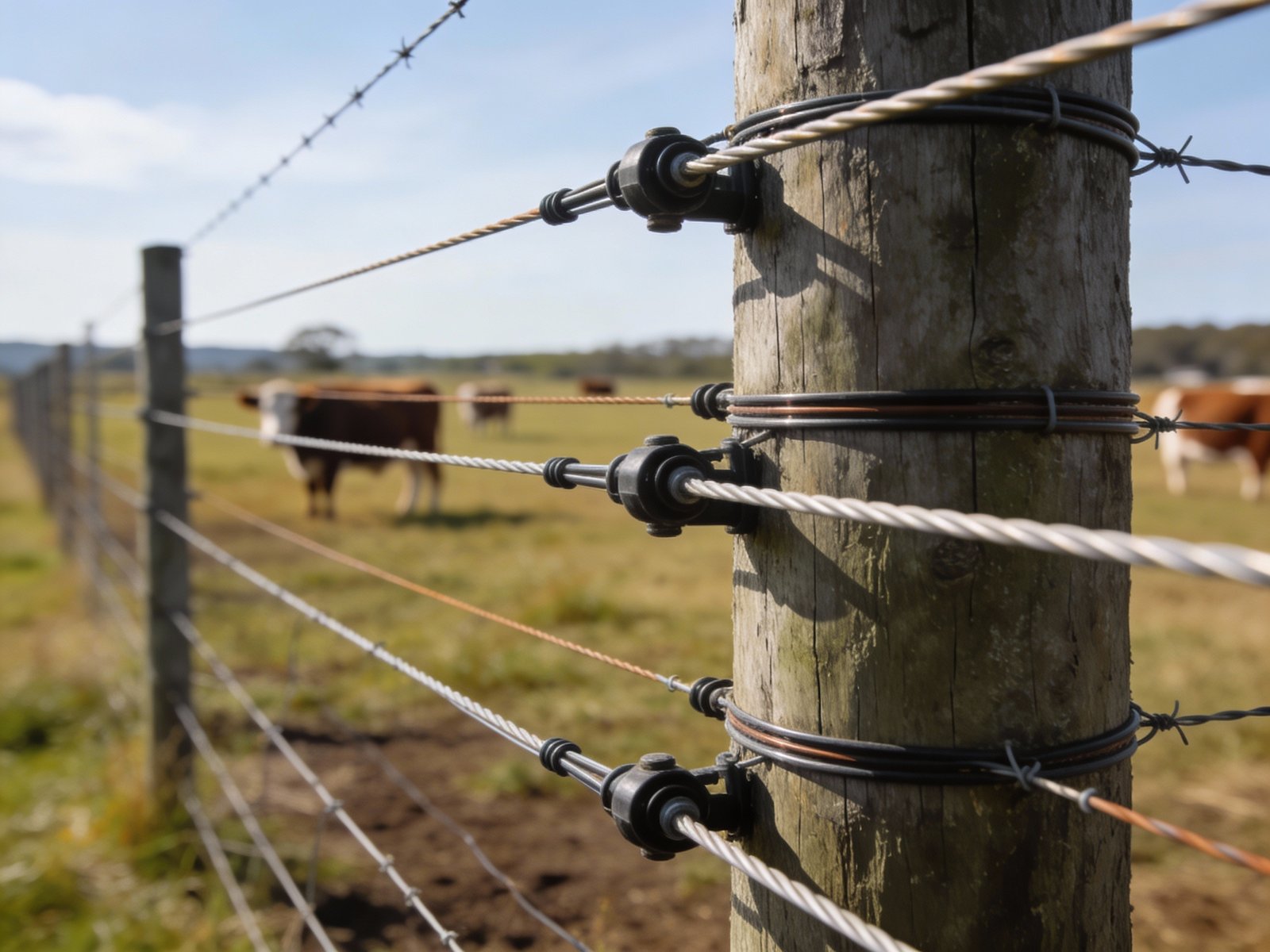
Best Temporary Electric Fence for Cattle
Temporary electric fencing serves cattle operations requiring flexibility, portability, and rapid deployment without permanent installation commitment. These systems excel in situations involving short-term pasture access, frequently changing grazing patterns, rented or leased land, or supplemental containment within existing fencing infrastructure. The defining characteristics of effective temporary fencing include quick setup by minimal labor, complete portability allowing relocation without specialized equipment, and adequate reliability for containment durations ranging from days to months.
Quick-Deploy Fence Setup
The most effective temporary cattle fence system combines battery or solar-powered portable energizer, polywire or polytape on lightweight reels, step-in fiberglass posts, and basic grounding equipment that assembles without tools. Complete systems designed specifically for temporary applications often include integrated carrying cases or organizers holding all components compactly between uses. Entry-level temporary systems use single-strand polywire adequate for well-trained cattle in low-pressure situations, while more robust configurations employ two strands providing additional security and visibility.
Step-in posts form the structural foundation, typically spaced 12 to 15 feet apart in temporary installations. Closer spacing increases setup time but improves wire height consistency and stability in windy conditions. Posts should include multiple clip positions allowing height adjustment for different wire configurations. Heavy-duty step-in posts work better in hard or rocky soil where penetration proves difficult, while standard posts suffice in softer ground conditions. Corner turning and gate locations require specialized posts or techniques: many operations use multiple closely-spaced posts at corners to maintain wire tension through direction changes.
Portable energizers for temporary fencing should balance adequate power output against weight and portability. Battery-powered units work well for fencing lasting several days to two weeks before requiring recharge. Solar units with integrated batteries suit longer-term temporary installations lasting weeks or months where daily sunlight maintains charge. Power requirements depend on planned fence length: 0.5 to 1.0 joule energizers handle fence runs up to 5 miles adequately for temporary cattle containment. The complete temporary system should include portable ground rod, connection cables, and gate handles for creating access points.
Ideal Use Cases
Temporary electric fencing proves ideal for accessing annual crop residues after harvest. Many cattle operations graze corn stalks, wheat stubble, or other crop residues seasonally, requiring containment only during autumn and winter months. Temporary fencing establishes boundaries across harvested fields without permanent infrastructure that would interfere with subsequent crop production. Setup occurs after harvest completion and removal happens before spring fieldwork begins, with complete systems storing compactly during the growing season.
Rental and leased pasture situations benefit enormously from temporary fencing systems. Property owners often hesitate to approve permanent fence installation on rented land due to concerns about property modification or conflicts with future land use plans. Temporary systems install without permanent ground disturbance beyond small step-in post holes that heal quickly after removal. Renters avoid investing in permanent improvements to land they may not access long-term, while maintaining flexibility to discontinue rental arrangements without abandoning fencing infrastructure.
Temporary fencing excels for emergency containment situations following fence failures, livestock escape events, or natural disasters damaging permanent fencing. Rapid deployment allows immediate establishment of secure boundaries while permanent repairs proceed at sustainable pace. Storm damage to conventional fencing might require days or weeks for complete reconstruction, during which temporary electric systems maintain essential livestock control. Operations should maintain temporary fencing systems as emergency backup even when primary reliance remains on permanent infrastructure.
How Fast It Can Be Installed or Removed
Experienced operators can install approximately 1,000 feet of single-strand temporary electric fence in 20 to 30 minutes working alone under favorable conditions. This assumes relatively level terrain, absence of obstacles requiring fence routing adjustments, and pre-assembled energizer and grounding equipment. Two-strand installations roughly double setup time. Initial installations by inexperienced operators typically require 50 to 100 percent more time as techniques and efficiency develop through practice. Complex terrain with obstacles, streams, or difficult soil conditions extends installation time substantially.
Setup procedures follow logical sequences that minimize wasted motion. Most efficient approaches involve first walking the intended fence line placing step-in posts at appropriate spacing, then returning along the line deploying wire from reels and securing to post clips. Final steps include tensioning wire to remove sag, establishing corner turns and gates, connecting energizer and ground system, and testing voltage before introducing cattle. Organized storage of components between uses dramatically reduces setup time by eliminating time spent locating equipment or untangling wire.
Removal and storage proceed more rapidly than initial installation, typically requiring 15 to 20 minutes for 1,000 feet of fence. The process involves disconnecting power, removing wire from post clips while rewinding onto reels, pulling step-in posts, and collecting equipment. Posts should be cleaned of soil before storage to prevent corrosion and facilitate future installation. Wire reels should be wound smoothly without tangles or kinks that would complicate subsequent deployment. Proper storage extends component life significantly: energizers and batteries stored indoors away from temperature extremes, posts kept dry to prevent deterioration, and wire protected from UV exposure and physical damage.
Best Electric Fence for Cattle — Quick Visual Explanation
This video demonstrates how different electric fencing setups perform in real cattle operations, including large pastures, rotational grazing, and temporary fencing. It visually explains fence layout, power requirements, and practical management tips to help cattle owners choose the most suitable electric fence system.
Final Recommendation: Choosing the Right Electric Fence for Your Farm
Selecting the best electric fence for your cattle operation requires matching system specifications to your specific management priorities, property characteristics, and operational constraints. No single configuration serves all situations optimally: the best choice balances effectiveness, cost, maintenance requirements, and flexibility against your particular needs. Understanding your primary objectives clarifies which system attributes matter most and where compromises prove acceptable.
Best Overall Choice for Most Cattle Farms
For general-purpose cattle containment across diverse farm situations, a mid-range system combining moderate power output, durable materials, and reasonable flexibility delivers optimal value. This configuration uses a 2 to 3 joule solar or AC-powered energizer depending on electricity access, three strands of polywire or high-tensile wire based on permanence requirements, and quality fiberglass posts spaced appropriately for terrain and cattle pressure. This setup handles pastures from 20 to 150 acres effectively, accommodates most cattle types including mixed-age groups, and provides adequate durability for multi-year service.
The three-strand configuration offers excellent balance between cost and effectiveness. Strand spacing at approximately 14, 28, and 42 inches from ground level contains cattle ranging from calves to mature cows while using reasonable material quantities. This arrangement provides sufficient visual barrier and shock delivery points without excessive wire expense or installation complexity. Power output in the 2 to 3 joule range maintains adequate voltage across typical farm fence lengths while remaining affordable and avoiding unnecessary capacity for most operations.
This mid-range approach proves cost-effective across typical 10 to 20 year planning horizons. Initial investment remains moderate compared to premium systems while avoiding the frequent replacement cycles and reliability concerns of budget equipment. Maintenance requirements stay manageable without demanding specialized knowledge or excessive time commitment. Most importantly, this configuration adapts to evolving management needs: adequate power supports future fence expansion, three-strand setup accommodates different cattle groups, and material quality withstands varied weather and usage patterns.
Best Choice for Flexibility
Operations prioritizing adaptability and frequent reconfiguration should invest in complete portable rotational grazing systems despite higher per-acre costs. These setups emphasize rapid deployment, easy relocation, and minimal permanent infrastructure. The ideal flexible system includes multiple solar energizers allowing independent power for separate paddock systems, extensive inventory of step-in posts supporting various paddock sizes and configurations, multiple reels of polywire or polytape enabling quick setup of divided pastures, and organized storage maintaining equipment accessibility.
Flexibility-focused operations benefit from standardized, interchangeable components. Using identical energizer models simplifies operation and allows sharing of backup units, batteries, and solar panels between systems. Maintaining surplus posts and wire reels provides immediate capacity for experimental paddock layouts or emergency fence extensions without requiring equipment procurement. This approach suits operations implementing intensive rotational grazing, adaptive multi-paddock systems, or frequently changing management strategies in response to forage conditions.
The investment in flexibility pays returns through improved pasture utilization and animal performance rather than reduced fencing costs. Portable systems typically cost more per acre than permanent installations due to component quantities required and more frequent replacement cycles. However, management benefits from optimized grazing patterns, improved forage quality, better parasite control, and enhanced animal distribution across pastures often exceed the incremental fencing investment. Operations should evaluate flexible fencing as management tool investment rather than pure containment expense.
When to Combine Electric Fencing with Other Systems
Perimeter security often benefits from combining physical barrier fencing with electric components, particularly on properties bordering roads, neighboring livestock operations, or areas with significant predator pressure. The most effective approach uses woven wire or knotted wire fence as primary physical barrier with electric wire strands added above and offset outward. This configuration provides physical containment if electric power fails while electric components reduce cattle pressure against physical fence and deter climbing or jumping attempts. The combination dramatically extends fence lifespan by preventing cattle rubbing and leaning that damages non-electrified fences.
High-value situations including bull pastures, calving areas, or show cattle facilities justify combined fencing approaches. Bulls during breeding season may challenge electric-only fencing aggressively enough to cause escapes despite proper system design. Adding physical barrier backing to electric systems ensures containment even during determined escape attempts. Calving areas benefit from physical fencing that prevents calf separation from mothers through fence lines and eliminates shock risk during vulnerable early calf stages. Show cattle facilities often employ combined systems protecting valuable genetics investments.
Properties can strategically deploy different fencing types by location and purpose. Many operations use permanent physical perimeter fencing for property boundaries and security, permanent electric fencing for major pasture divisions experiencing seasonal use, and temporary electric systems for rotational paddocks within larger pastures. This layered approach allocates premium fencing investment where consequences of failure prove highest while using cost-effective electric systems where appropriate. The strategy balances initial installation costs, ongoing maintenance, security requirements, and management flexibility across the complete farm fencing infrastructure.
For cattle farmers ready to implement electric fencing systems, exploring complete product solutions streamlines the equipment selection process. Professional-grade fencing materials including fixed knot wire, hinge joint configurations, and field fence options provide reliable foundations for both permanent and semi-permanent installations. Visit our products page to review available fencing materials suited to cattle operations, or contact us for personalized recommendations matching your specific property characteristics and management objectives.