
Regulations & Safety Compliance for Electric Fencing
Key safety rules, international standards, and compliance requirements for electric fence systems
Why Safety Compliance Matters in Electric Fencing
This page is part of the Electric Cattle Fencing knowledge hub and focuses specifically on safety standards and legal compliance requirements for electric fence installations.
Electric fencing is a safe and effective livestock management tool when installed and operated correctly according to recognized safety standards. However, improper design or non-compliance with established regulations can create serious risks to people, animals, and property, while exposing fence owners to significant liability.
Regulations exist not to limit fence performance, but to ensure predictable behavior, prevent accidental injury, reduce liability exposure for fence owners, and maintain public confidence in electric fence technology. Compliance demonstrates responsible stewardship and professional installation practices.
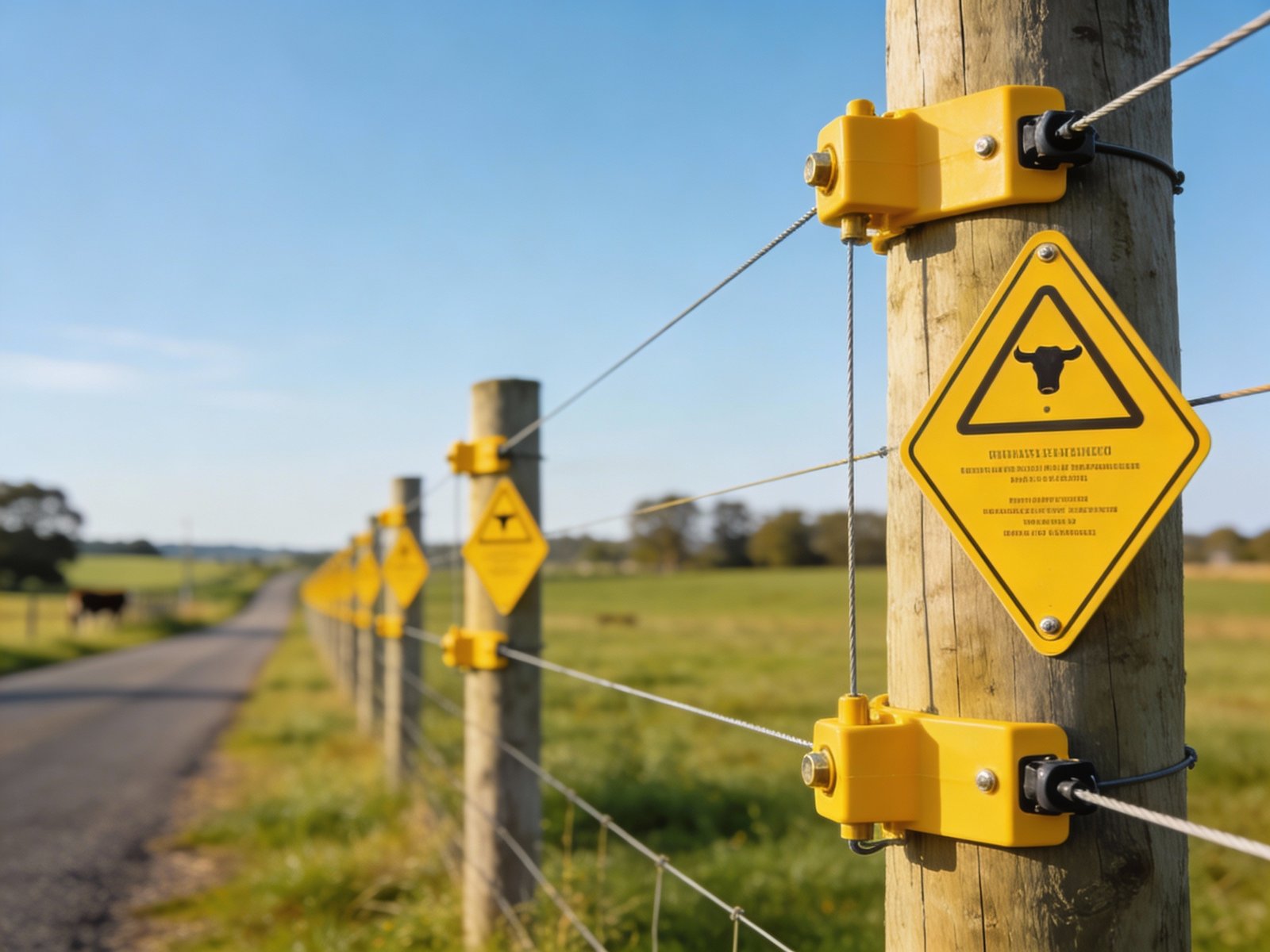
Key International Safety Standards
Most modern electric fence regulations are based on international electrical safety standards developed through extensive research and field testing. One of the most widely referenced standards is:
Household and similar electrical appliances – Safety – Part 2-76: Particular requirements for electric fence energizers
This standard deals with the safety of electric fence energizers rated at 250V or less, covering agricultural fences, domestic animal control fences, feral animal management, and security fences. Many regional regulations in North America, Europe, Australia, New Zealand, and other regions align closely with this international framework, even when local enforcement details and specific requirements differ.
The standard addresses energizer design, output characteristics, marking requirements, and installation practices to ensure that electric fences deliver effective deterrence without creating unacceptable safety hazards.
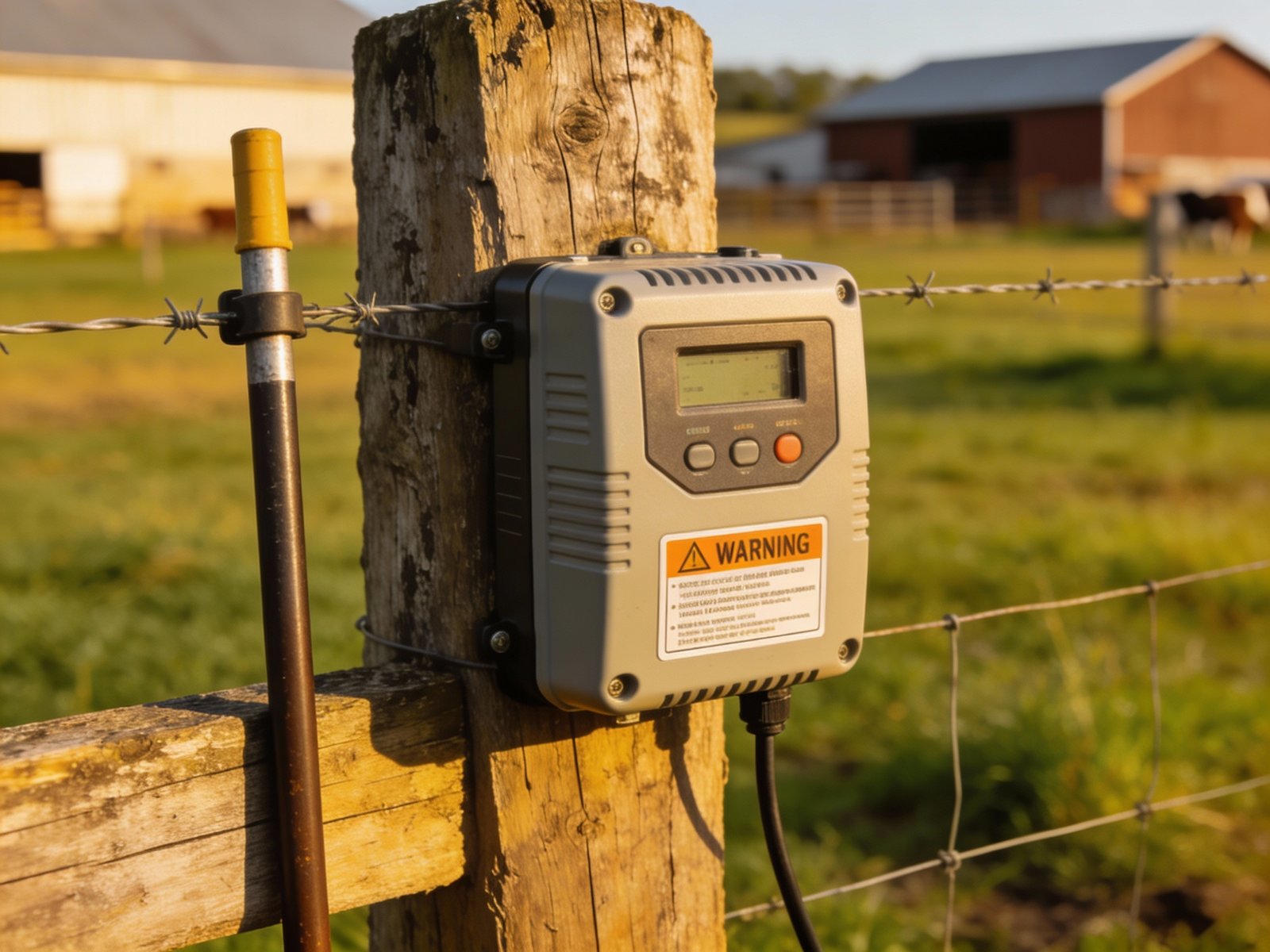
Electric Fence Safety Standards Explained
This video explains electric fence safety standards and compliance requirements, including energizer rules, warning signage, and safe installation distances. It provides visual examples to help fence owners understand how proper compliance reduces risk and liability.
Single Energizer Rule
One of the most fundamental safety requirements is the single energizer rule, which prevents dangerous voltage interactions and unpredictable electrical behavior.
For detailed guidance on proper energizer selection and installation practices, see our comprehensive guide on Installing Electric Cattle Fences.
Prohibition of Electrified Barbed Wire
International safety standards and most regional regulations strictly prohibit energizing barbed wire or razor wire due to the severe injury potential.
🚫 Barbed Wire Must Never Be Energized
Electrifying barbed wire significantly increases the risk of serious injury to animals and people. The sharp barbs can cause entanglement, leading to prolonged contact with the electrified wire and potentially severe shock injuries or lacerations.
If an electric wire must be installed alongside existing barbed wire fencing, the following clearance requirements must be maintained to prevent accidental contact and electrical transfer:
- Minimum horizontal distance: 150 mm (approximately 6 inches) between electric wire and barbed wire
- Electric wire must be fully insulated from barbed wire at all points
- Separate support posts or standoff insulators required to maintain clearance
- No shared attachment points between electrified and barbed wire sections
A properly designed non-electrified barbed wire fence may be used to support one or more offset electric wires, provided the required clearances are maintained throughout the fence line.
Grounding System Separation Requirements
Proper grounding is not only a performance requirement for effective fence operation, but also a critical safety requirement to protect people, equipment, and utility systems from dangerous voltage transfer.
| Grounding Type | Minimum Separation Distance | Reason |
|---|---|---|
| Electric fence ground rods | ≥ 10 meters (approximately 33 feet) | From power utility or telecommunications grounding systems |
| Grounding electrode system | Must comply with Article 250 standards | Proper grounding electrode design and installation |
For comprehensive information on designing and testing effective grounding systems, refer to our detailed guide on Grounding System Design & Testing.
Clearance from Overhead Power Lines
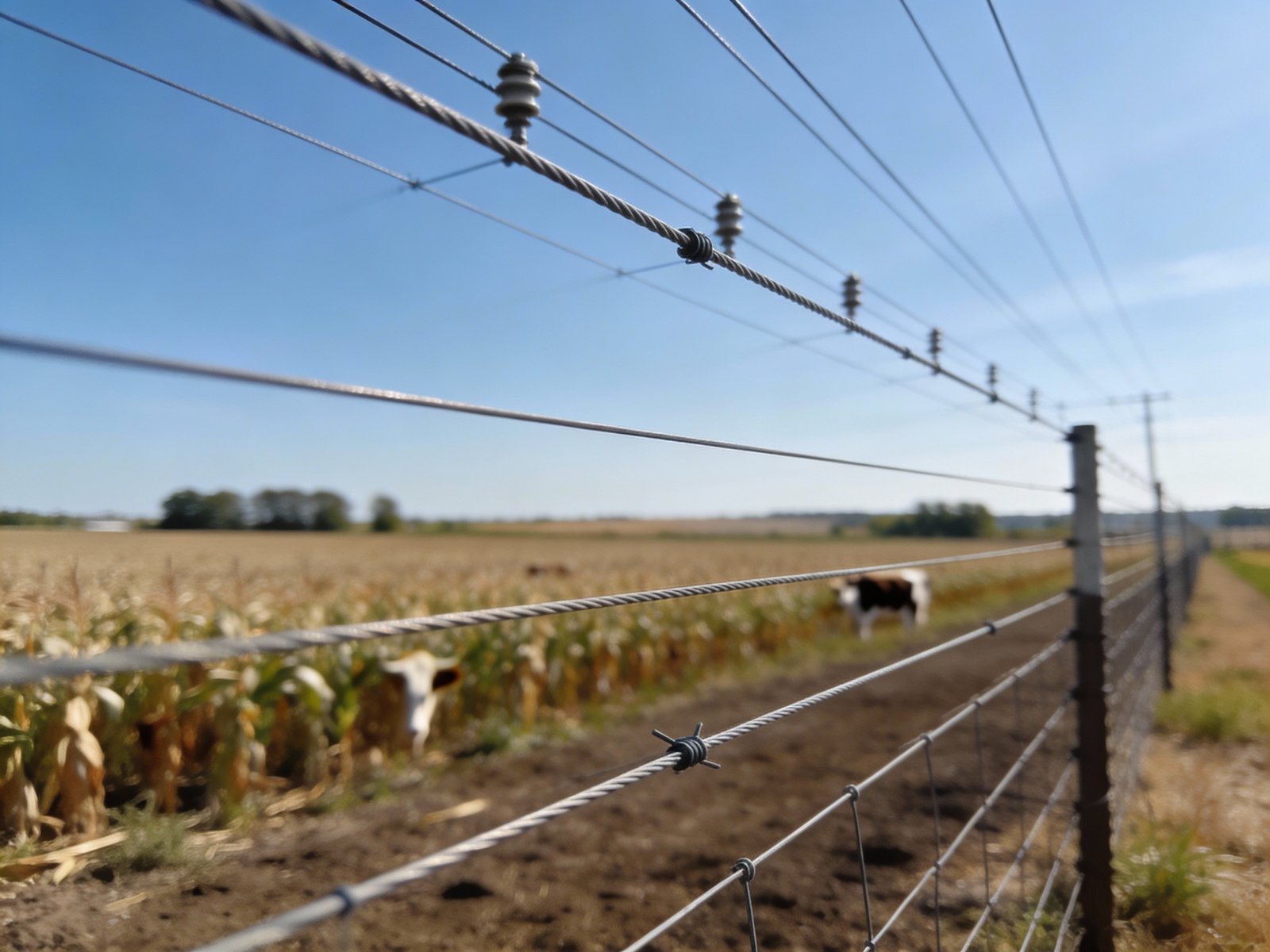
Electric fences must maintain safe distances from overhead electrical transmission and distribution lines to prevent dangerous voltage transfer, electrical induction, and potential contact during fence installation or maintenance.
| Power Line Voltage | Minimum Clearance Distance | Application |
|---|---|---|
| < 1000 V | 3 meters (approximately 10 feet) | Low voltage distribution lines |
| 1000 – 33 kV | 4 meters (approximately 13 feet) | Medium voltage distribution lines |
| > 33 kV | 8 meters (approximately 26 feet) | High voltage transmission lines |
Fence installations near power lines may require notification to or approval from the utility company. Consult with qualified professionals and local authorities before installing fences in proximity to electrical infrastructure.
Warning Signage Requirements
Electric fences installed near public areas, roadways, pathways, or property boundaries must be clearly marked with standardized warning signs to alert passersby and reduce the risk of accidental contact.
⚠️ Fence Warning Signs
- Required along public roads, pathways, and boundary lines accessible to the public
- Must be installed at regular intervals along the fence line
- Required at gates, crossings, and all access points
- Must remain legible and securely attached throughout the life of the fence
- Serve both safety and legal liability protection purposes
| Requirement | Specification | Notes |
|---|---|---|
| Background color | Yellow (high visibility) | Pure chrome yellow or equivalent |
| Text and symbol color | Black | High contrast with background |
| Minimum text height | 25 mm (approximately 1 inch) | Ensures readability at typical viewing distances |
| Minimum sign size | 200 mm × 100 mm (approximately 8″ × 4″) | For security installations; larger sizes recommended for high-traffic areas |
| Wording | Electric shock symbol or “Caution: Electric Fence” | Must be indelible and weatherproof |
| Spacing interval | Every 50-90 meters (165-295 feet) | Varies by jurisdiction; closer spacing at curves and access points |
Warning signs should be mounted at eye level (approximately 1.5 meters or 5 feet) for maximum visibility. Regular inspection and replacement of faded or damaged signs is essential to maintain compliance and liability protection.
Regional Regulations and Local Compliance
While international standards provide a common framework for electric fence safety, local regulations may impose additional requirements, specific permitting processes, or enforcement mechanisms that vary significantly by jurisdiction.
- Local electrical codes – Municipal or county regulations governing electrical installations
- Road authority requirements – Clearances, signage, and setbacks for fences near public roadways
- Agricultural safety regulations – State or provincial requirements for livestock fence installations
- Building permits and inspections – Required approvals before fence installation or modification
- Property transfer requirements – Certificates of compliance needed for real estate transactions
- Insurance policy conditions – Compliance documentation required for liability coverage
Property owners should consult with local building departments, agricultural extension services, or professional fence installers familiar with regional requirements to ensure full compliance.
Common Safety & Compliance Violations
Understanding common violations helps fence owners avoid potentially dangerous and legally problematic installation errors. The following violations are frequently cited during inspections and can result in enforcement actions, fines, or liability exposure.
For guidance on avoiding installation errors and maintaining compliance throughout the fence lifecycle, refer to our resources on Electric Fence Safety and Lightning Protection & Surge Prevention.
Frequently Asked Questions
The following questions address common compliance concerns and misconceptions encountered by fence owners and installers. These answers provide general guidance and do not replace official local regulations, professional advice, or consultation with qualified electrical inspectors and fence installation specialists.
Are electric fences legal everywhere?
Electric fences are legal in most agricultural settings and rural areas worldwide, provided they meet applicable safety standards and local regulations. Some urban or residential areas may restrict or prohibit electric fence installations, particularly security fences. Always verify zoning regulations and local ordinances before installing an electric fence.
Can I electrify an existing barbed wire fence?
No. International safety standards and virtually all regional regulations strictly prohibit electrifying barbed wire due to severe injury risks from entanglement and prolonged electrical contact. A separate electric wire must be installed with proper clearance (minimum 150 mm or 6 inches) and complete electrical isolation from the barbed wire.
Do I need warning signs on private land?
Warning signs are typically required where the fence borders or is accessible from public roads, pathways, trails, or recreational areas, regardless of whether the fence is on private property. Signs may also be required at property boundaries, gates, and anywhere the public could reasonably encounter the fence. Requirements vary by jurisdiction, but installing adequate warning signage is both a legal requirement and sound liability protection practice.
What happens if my fence is not compliant?
Non-compliant electric fences can result in enforcement notices requiring corrective action, fines or penalties from regulatory authorities, denial of building permits or certificates of occupancy, rejection of insurance claims following incidents, and civil liability if injury or property damage occurs. In real estate transactions, non-compliance may prevent property transfers or require costly remediation before closing.
Who can install an electric fence legally?
Installation requirements vary by jurisdiction. Some regions require electric fences to be installed or certified by registered electrical contractors or specifically qualified fence installers. Even where not legally required, professional installation by qualified personnel ensures compliance with safety standards, proper grounding design, correct energizer selection, and appropriate documentation for insurance and liability purposes.
How often should I inspect my fence for compliance?
Regular inspections are essential for maintaining compliance and safety. Conduct visual inspections at least monthly, checking warning signs for legibility and secure attachment, verifying clearances from power lines and structures, and looking for vegetation contact or fence damage. Annual detailed inspections should include testing grounding system resistance, verifying energizer output characteristics, checking all connections and insulators, and confirming continued compliance with any changes in local regulations.
Key Takeaways for Safety & Compliance
Compliance is not a one-time event but an ongoing commitment to safety, proper maintenance, and awareness of evolving standards and regulations.
Next Steps
- Review proper installation techniques to ensure compliance from the start
- Implement effective grounding systems that meet safety standards
- Learn about lightning protection measures to safeguard your investment
- Understand comprehensive safety practices for ongoing fence operation
- Explore quality fencing products designed for safe, compliant installations
- Contact our team for guidance on compliance requirements in your specific region