
Training Cattle to Electric Fences
How to safely and effectively train cattle to respect electric fencing using proven behavioral methods
Why Training Cattle to Electric Fences Is Essential
Electric fencing relies on animal behavior, not physical strength. Without proper training, cattle may challenge the fence, break conductors, or escape paddocks— causing fence damage, livestock loss, and unnecessary stress.
Electric fence effectiveness depends more on training quality than fence strength. Well-trained cattle will respect a single electric wire and maintain safe distance from the fence long after the initial training period.
The Behavioral Psychology Behind Electric Fence Training
🧠 Electric Fences Are Psychological Barriers
Electric fences do not physically restrain cattle. Instead, they create a short, memorable negative stimulus that conditions animals to avoid contact through conditioned avoidance and negative stimulus association.
⚡ One Clear Shock Is Better Than Many Weak Ones
Training fails when voltage is too low. A strong, brief shock during initial exposure teaches cattle to respect the fence quickly and reduces repeated testing. This creates lasting memory retention in cattle.
🐄 Cattle Are Highly Trainable
Compared to sheep or goats, cattle learn electric fence boundaries quickly. Most animals retain the lesson after a single meaningful contact. Once trained, cattle respond to visual presence of the fence, not repeated electrical contact.
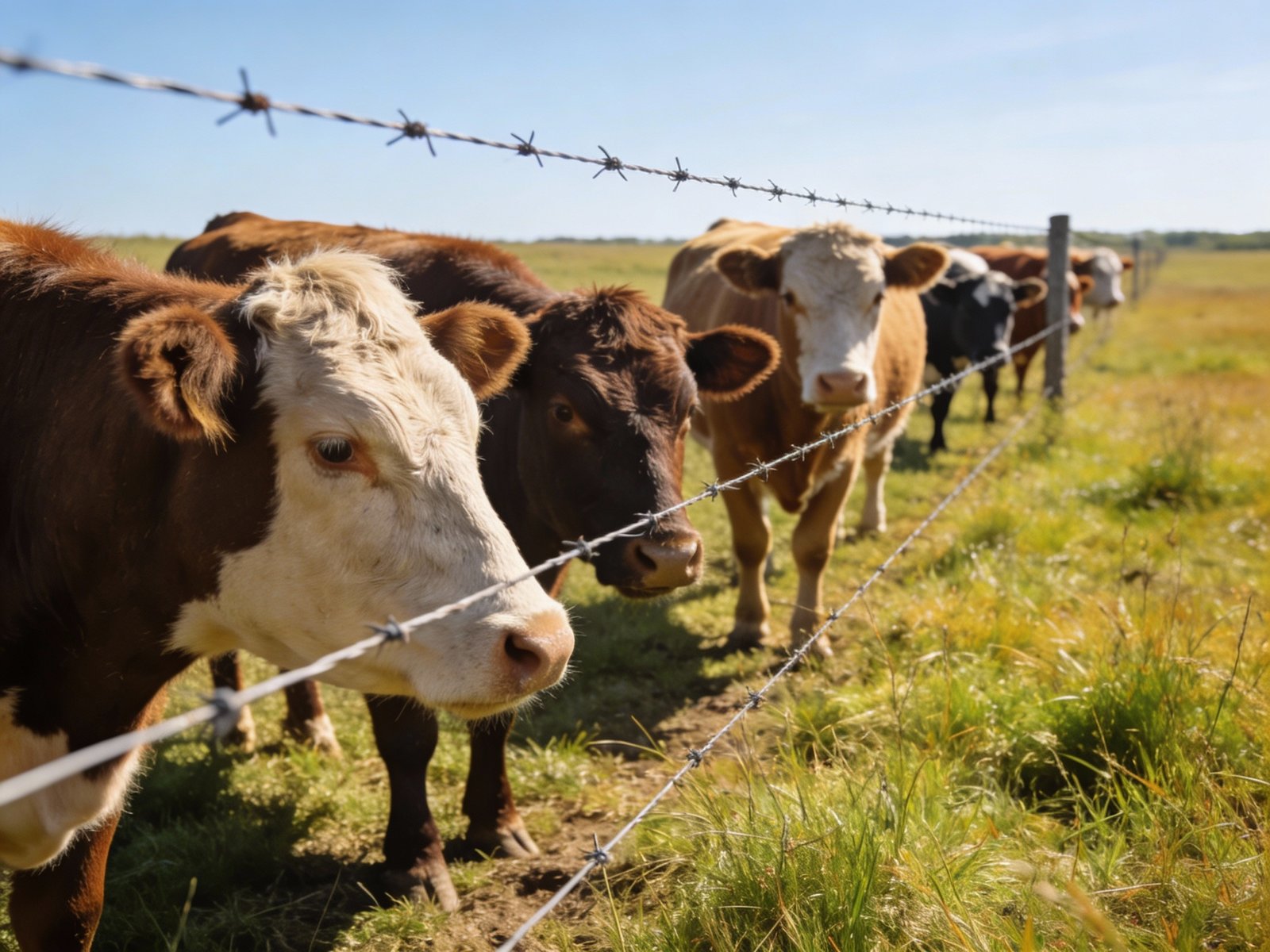
Recommended Training Methods for Cattle
Method 1: Training Inside a Physical Fence (Initial Conditioning)
The safest and most effective training method is to install an electric fence inside an existing physical enclosure.
- Use a small training paddock or pen
- Install electric wire 12–24 inches inside the physical fence
- Ensure cattle cannot escape if they panic
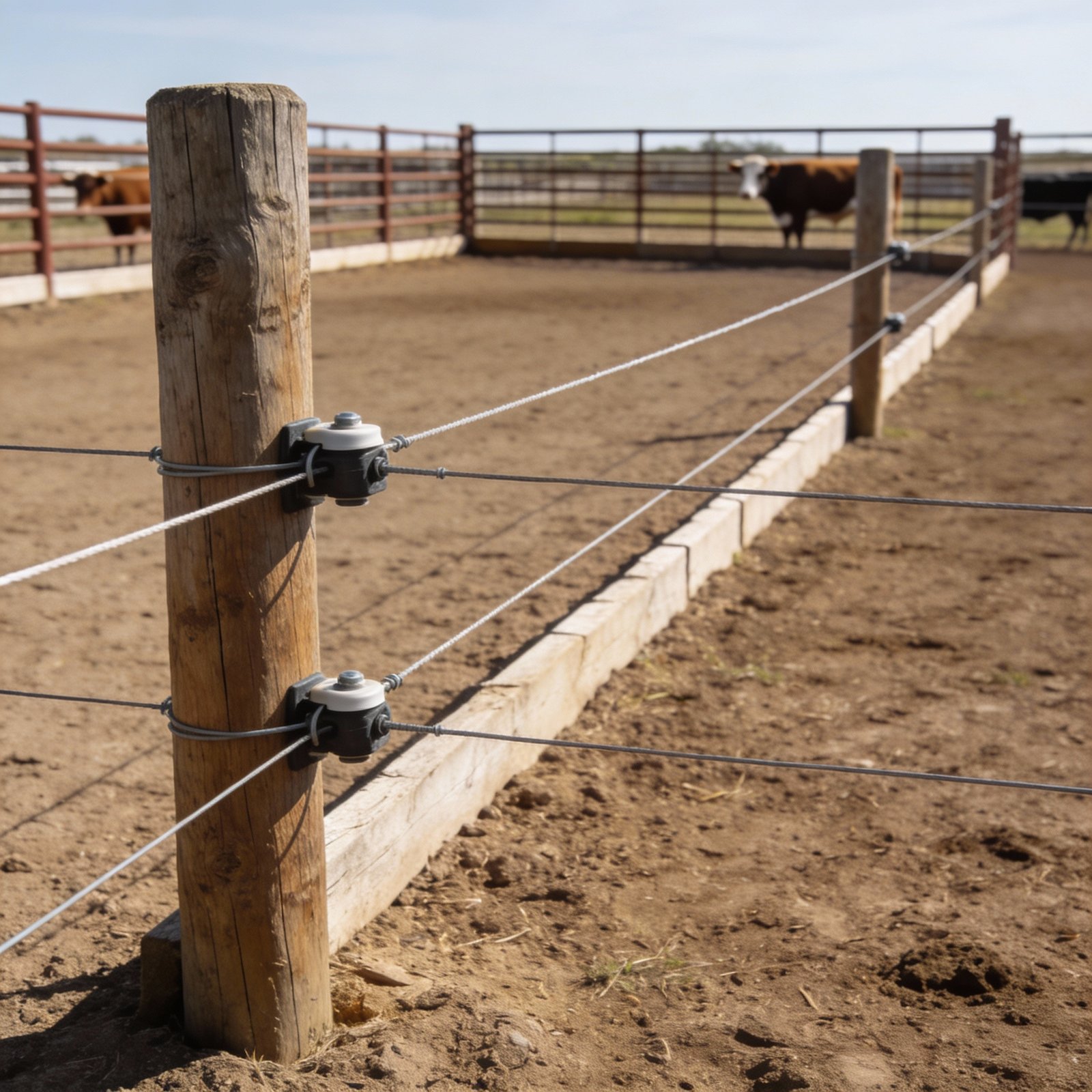
Method 2: Feed-and-Water Separation Technique (Reinforcement Training)
To encourage controlled interaction with the fence:
- Place water on one side of the training paddock
- Place feed or mineral on the opposite side
- Force cattle to approach and navigate near the fence
This method increases the likelihood of nose contact—resulting in faster, clearer learning. Research shows that dairy bull calves learned to avoid electric fences within the first hour of release into training areas using this technique.
How to Set Up an Electric Fence for Training
Voltage Requirements During Training
| Cattle Condition | Recommended Voltage | Training Outcome |
|---|---|---|
| Untrained adults | 4,500–5,500 V | Fast learning, minimal fence testing |
| Previously trained cattle | 3,500–4,500 V | Boundary reinforcement |
| Calves | 4,000–5,000 V | Safe, effective conditioning |
Typical Training Timeline
Day 1
- Initial exposure to electric wire
- One or two nose contacts
- Clear avoidance behavior develops
- Research shows most learning occurs within first 24 hours
Day 2
- Cattle maintain distance from fence
- Minimal fence testing
- Ready for pasture deployment
- Shock incidents drop significantly by second day
Seasonal Refresh
- Recommended each spring
- Especially for young stock
- Reinforces learned behavior
- Brief 3-5 day refresher maintains effectiveness
Electric Fence Training Video Demonstration
This video demonstrates the initial conditioning process for training cattle to electric fencing. It shows cattle encountering a properly powered electric wire for the first time, receiving a brief nose contact shock, and immediately developing avoidance behavior. The demonstration reinforces key training principles: adequate voltage, visible conductors, and controlled exposure within a secure enclosure. The video illustrates how cattle quickly learn to associate the fence with discomfort and subsequently respect the fence visually without repeated contact, validating electric fencing as a psychological rather than physical barrier.
Additional training resources: Watch more demonstrations on grazing cow electric fence training and training animals to energized fences.
Common Training Mistakes to Avoid
Understanding how electric fencing systems work helps avoid these common pitfalls and ensures effective training outcomes.
Long-Term Benefits of Proper Training
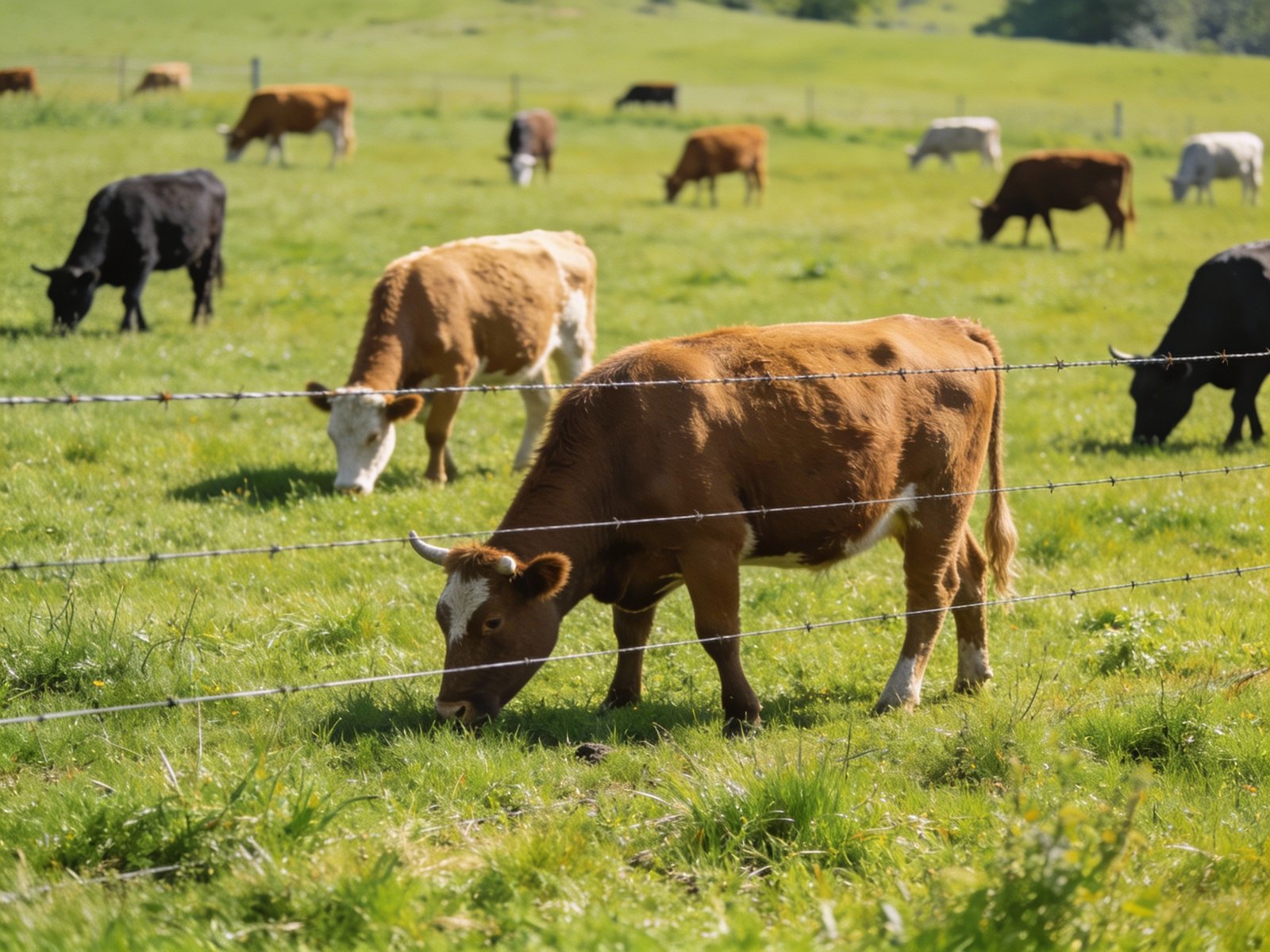
- Reduced fence damage and maintenance costs
- Lower long-term fencing infrastructure investment
- Improved rotational grazing control and pasture management
- Safer handling for people and livestock
- Ability to use simple single-wire systems effectively
- Faster paddock moves with confident cattle
- Reduced labor for fence repairs and cattle retrieval
- Enhanced grazing efficiency through precise boundary control
Once properly trained, your cattle can benefit from advanced rotational grazing systems that maximize pasture productivity and animal health.
Frequently Asked Questions
How long does it take to train cattle to electric fencing?
Most cattle learn within 24–48 hours when voltage and setup are correct. Research from Finland indicates dairy bull calves learned to avoid electric fences within the first hour of release, with minimal shocks after the second day.
Do cattle need to be trained every year?
Yes. A brief refresher each spring is recommended, especially for new or young animals. A 3-5 day training period helps maintain respect for boundaries after winter housing periods.
Is electric fence training stressful for cattle?
Short-term exposure causes minimal stress and reduces long-term handling pressure. Research shows no significant differences in cortisol levels, endorphin levels, heart rate, or feeding behavior between trained cattle and control groups.
What voltage is needed for effective training?
Untrained cattle require 4,500–5,500 volts for effective conditioning. Previously trained cattle can be managed with 3,500–4,500 volts for boundary reinforcement.
Can calves born on the farm learn without formal training?
Yes. Calves born on farms with electric fencing typically learn from observing adult cattle and naturally develop respect for boundaries at an early age without structured training programs.
What happens if power fails after training?
Research indicates cattle continue testing fences, so regular maintenance is crucial. When power was interrupted on day five of training studies, shock incidents increased on day six, demonstrating the importance of consistent fence maintenance. Learn more about electric fence maintenance and reliability.
Key Training Takeaways
Need Help With Your Electric Fence System?
Whether you’re starting your first cattle training program or optimizing an existing system, proper equipment and setup are essential for success.