
Essential Tools & Equipment for Cattle Fence Installation
Selecting the appropriate tools is fundamental to constructing durable, reliable cattle fencing. The right equipment enhances precision, reduces labor intensity, and prevents structural deficiencies that compromise fence longevity.
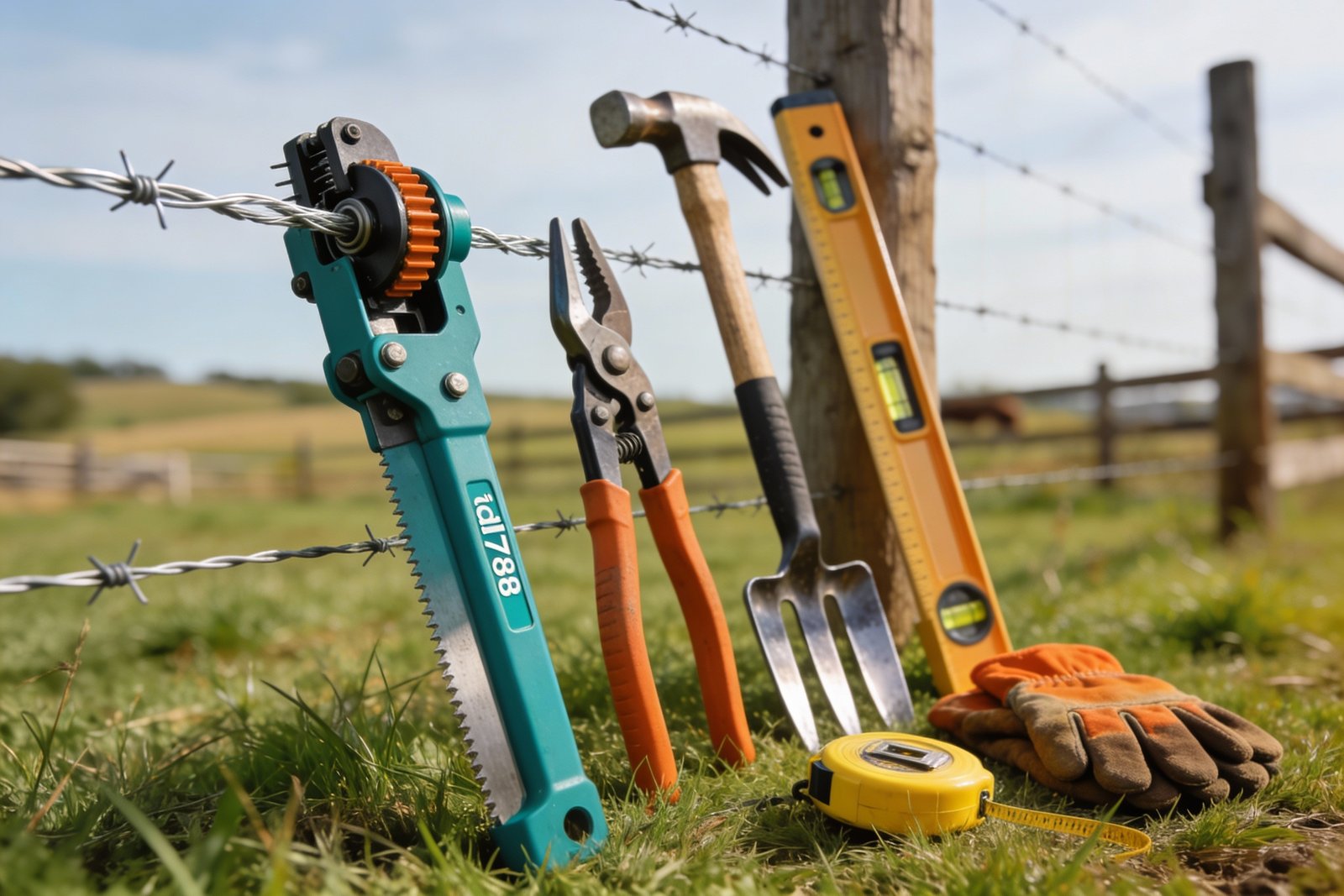
Basic Hand Tools: Foundational Equipment
Essential Manual Tools for Every Installation
Post Hole Digger
Primary Function: Excavating post holes in various soil conditions
Optimal Use: Small-scale projects, repairs, and finishing work
Technical Specifications:
- Blade width: 6-8 inches
- Handle length: 48-60 inches
- Weight capacity: 50-100 lbs soil
- Material: Forged steel with hardwood handles
Professional Fence Stretcher
Primary Function: Applying uniform tension across wire fencing
Critical Importance: Prevents wire fatigue and structural weakness
Technical Specifications:
- Tension capacity: 1,000-2,000 lbs
- Wire gauge compatibility: 12.5-16 gauge
- Ratchet mechanism: 24-36 teeth
- Material: Heat-treated alloy steel
Heavy-Duty Fencing Pliers
Primary Function: Multipurpose wire cutting and manipulation
Design Features: Integrated staple puller and serrated jaws
Technical Specifications:
- Cutting capacity: Up to 10 gauge wire
- Handle material: Cushioned vinyl or rubber
- Length: 9-11 inches
- Weight: 1.5-2.5 lbs
Additional Essential Hand Tools
Before beginning your fence installation project, understanding the complete process of how to install woven cattle fence wire is essential to ensure you select and use the correct tools and techniques for optimal results.
Power Tools & Mechanical Equipment
Enhanced Efficiency Through Powered Solutions
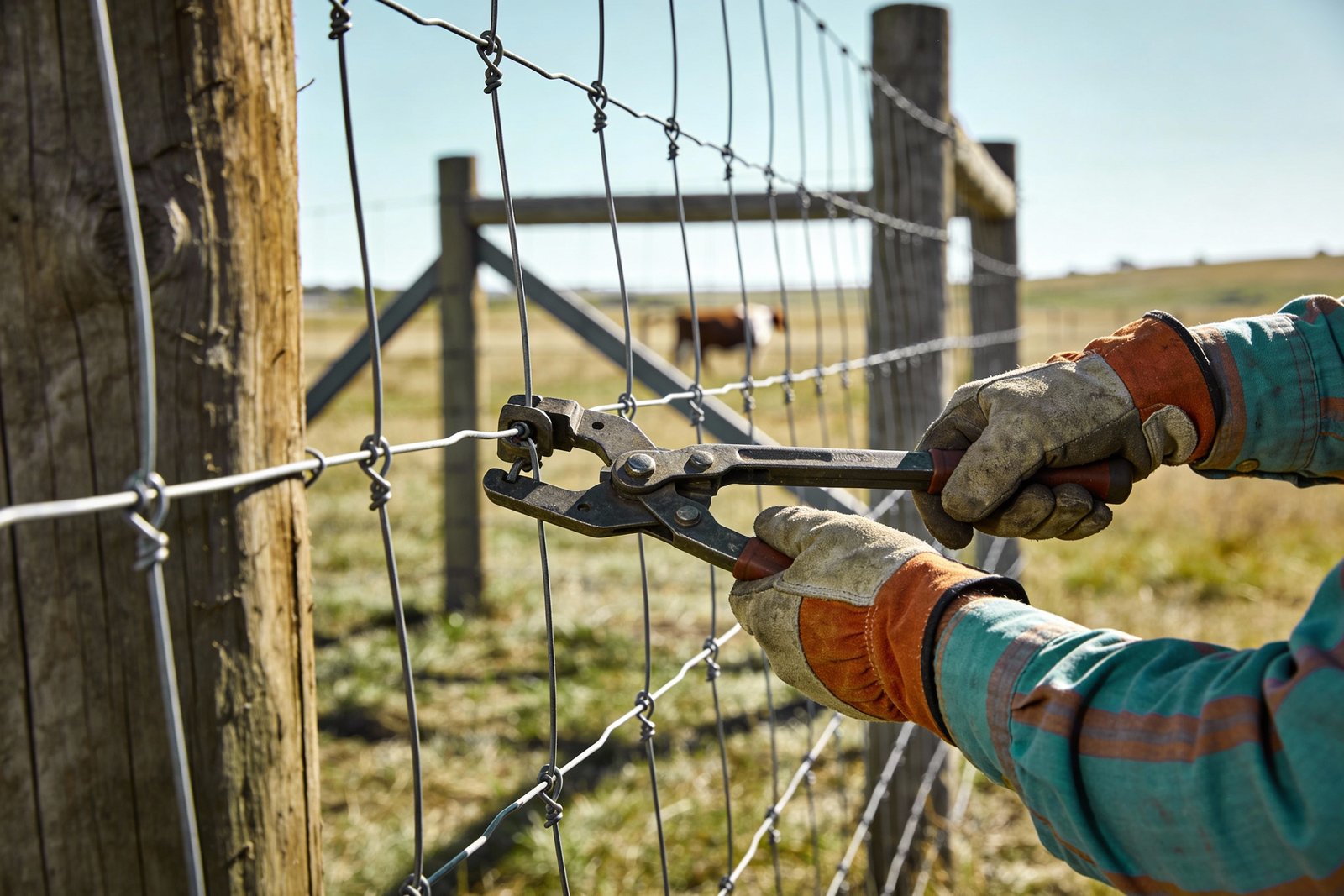
Hydraulic Post Driver
Primary Advantage: Direct ground penetration without extensive excavation
- Installation rate: 60-100 posts/hour
- Power source: Tractor PTO or standalone engine
- Post size capacity: 2-6 inch diameter
- Soil penetration: Up to 4 feet depth
Mechanical Auger System
Primary Advantage: Consistent hole diameter in challenging soils
- Drilling rate: 20-40 holes/hour
- Auger sizes: 6-12 inch diameter
- Power options: Gas, electric, or hydraulic
- Depth capacity: Up to 5 feet
Power Tool Specifications Comparison
Proper corner bracing is essential to withstand the tension produced by these powered tools and maintain long-term fence integrity. Learn how corner bracing systems for cattle fences provide the structural support necessary for durable installations.
Measurement & Alignment Systems
Precision Tools for Professional Results
Laser Measurement System
Accuracy: ±1/16 inch over 300 feet
Features: Digital display, memory storage, outdoor visibility
Cost: $150-$400Digital Inclinometer
Function: Post verticality verification
Accuracy: ±0.1 degree
Cost: $80-$200Alignment String System
Components: High-tension line, markers, reels
Capacity: Up to 1/4 mile continuous
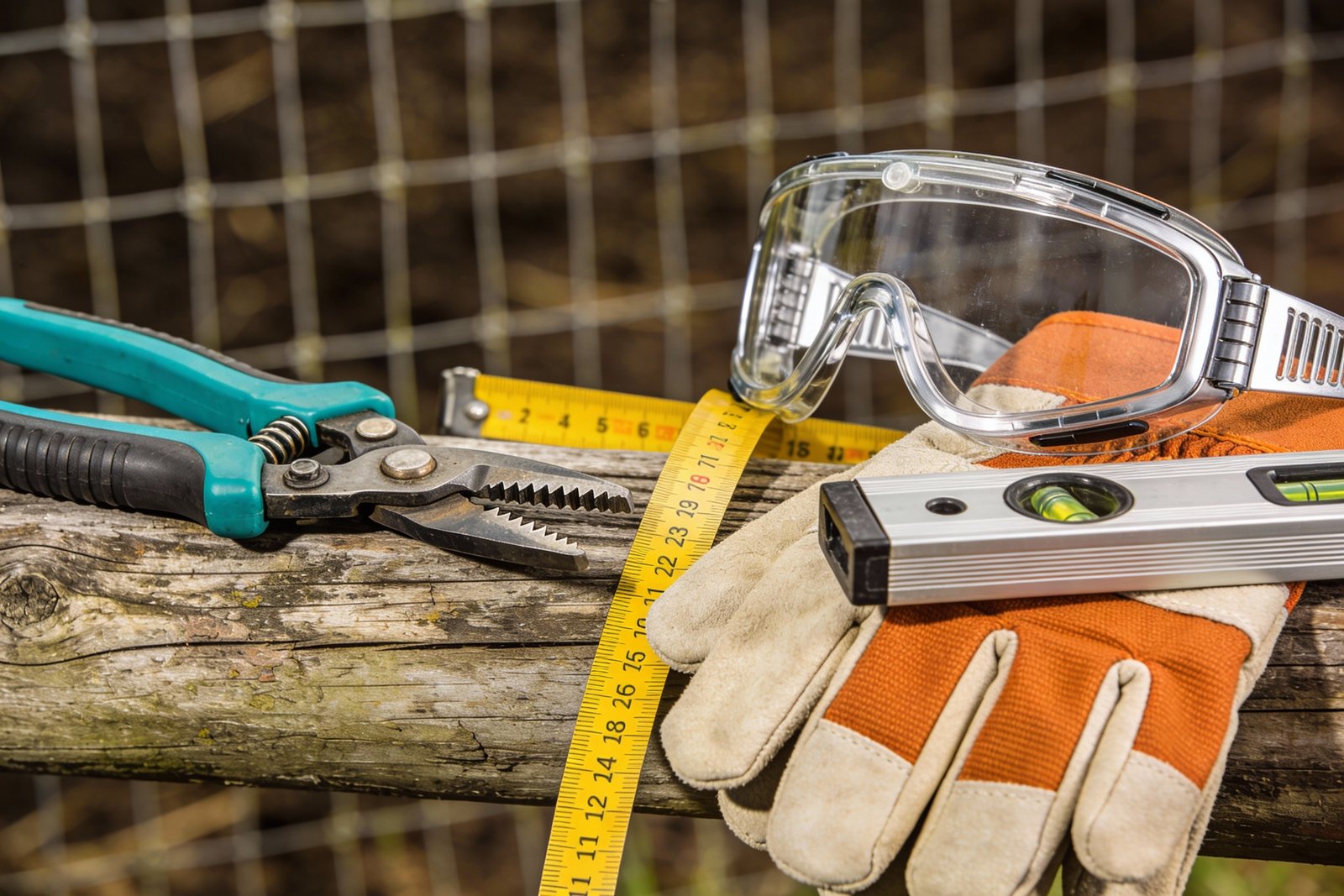
Cost: $60-$140Safety Equipment: Non-Negotiable Protection
Comprehensive Personal Protective Equipment
Budget Planning & Equipment Strategy
Strategic Investment Analysis by Farm Size
Small Operations (Under 5 Acres)
Recommended Strategy: Tool rental with essential hand tool purchase
- Essential hand tools: Purchase
- Power equipment: Rent as needed
- Safety equipment: Full purchase
- Storage solution: Basic shed or toolbox
Medium Farms (5-20 Acres)
Recommended Strategy: Mixed ownership with selective rentals
- All hand tools: Purchase
- Basic power tools: Purchase
- Specialized equipment: Rent
- Storage solution: Equipment shed
Large Operations (20+ Acres)
Recommended Strategy: Full equipment ownership
- Complete tool set: Purchase
- Full power equipment: Purchase
- Maintenance equipment: Purchase
- Storage solution: Dedicated workshop
Before making significant tool investment decisions, use our fence installation cost and labor calculator to estimate total project budgets, including tools, materials, and labor across different operation sizes.
10-Year Cost of Ownership Analysis
Tool Maintenance & Storage Solutions
Extending Equipment Lifespan Through Proper Care
Cleaning Protocol
- Daily: Remove soil and debris
- Weekly: Lubricate moving parts
- Monthly: Deep clean and inspect
- Seasonal: Apply protective coating
Storage Requirements
- Temperature: 40-80°F (4-27°C)
- Humidity: Below 60% relative humidity
- Organization: Wall-mounted systems
- Security: Lockable storage
Power Tool Care
- Battery: Store at 40-80% charge
- Blades/Bits: Regular sharpening
- Filters: Monthly replacement
- Fluids: Seasonal changes
Professional Recommendations & Best Practices
Strategic Equipment Selection Guidelines
Conclusion: Building Your Tool Strategy
Developing a comprehensive cattle fence installation tool strategy requires balancing immediate operational needs with long-term investment requirements. The optimal approach varies significantly by operation size, terrain complexity, labor availability, and budget constraints.
Key Decision Factors:
- Project Scale: Small repairs versus major installations and expansions
- Soil Conditions: Soft loam versus rocky terrain requiring different equipment
- Labor Availability: Owner-operated versus hired crews for project efficiency
- Budget Constraints: Immediate tools versus phased long-term investment
- Future Expansion: Current needs versus projected growth requirements
For complete guidance on proper installation techniques using these tools, consult our detailed cattle fence installation guide. To protect your fence investment over time, review our cattle fence maintenance and repair guide for comprehensive long-term care strategies.
To explore the complete system of materials, installation methods, comparisons, and planning resources, return to our woven cattle fence wire guide .