
Barbed Wire Fence for Cattle: Installation, Pros, Cons & Safety Guide
Barbed wire fencing has been the traditional choice for cattle ranching for over 150 years, offering the lowest initial cost and straightforward installation. However, modern operations must carefully weigh the economic advantages against safety concerns, maintenance requirements, and available alternatives. This comprehensive guide explores barbed wire fencing specifically for cattle, covering installation methods, specifications, advantages, disadvantages, safety considerations, and detailed comparisons with modern alternatives including high tensile fencing for cattle and electric fence systems.
Understanding Barbed Wire Fencing for Cattle
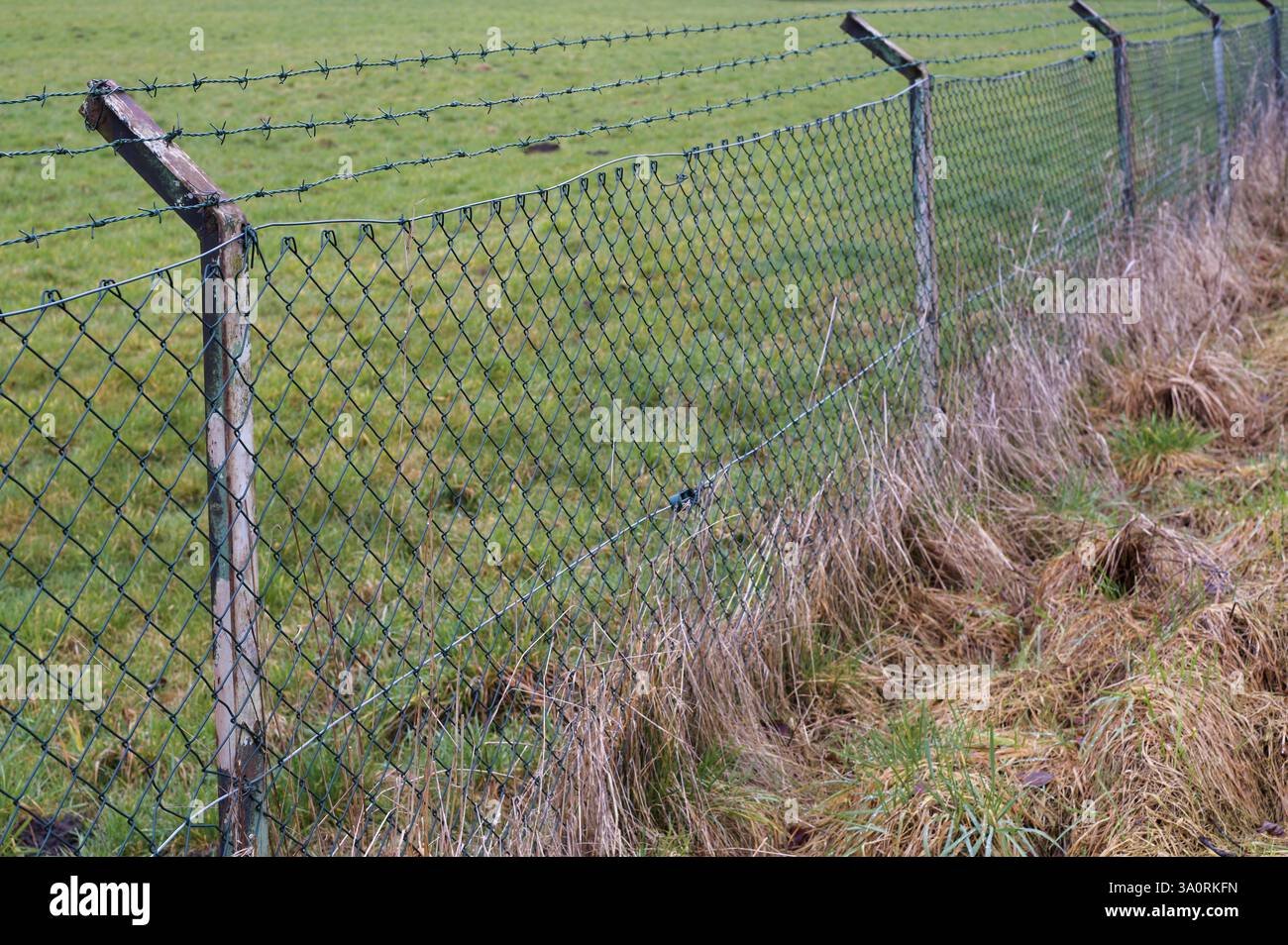
Barbed wire fencing consists of two or more strands of galvanized steel wire twisted together with sharp barbs spaced every 4-5 inches. The barbs serve as a psychological deterrent, training cattle to respect the fence boundary without requiring physical strength to maintain containment. Standard cattle fencing configurations utilize 4-6 strands stretched between posts spaced 15-25 feet apart on flat terrain, reaching a total height of 48-54 inches.
Historical Context and Modern Applications
Invented in 1874, barbed wire revolutionized livestock containment by providing an inexpensive, portable alternative to wooden fencing. For cattle ranching in particular, it became the industry standard for large-scale operations managing hundreds or thousands of head across thousands of acres. Today, while newer technologies exist, barbed wire remains the most economical option for perimeter fencing and remote boundary applications where cattle contact is minimal and cost constraints are significant.
When evaluating your fencing options, it’s important to understand the full range of cattle fencing options available to modern ranchers.
Advantages of Barbed Wire Fencing for Cattle
Key Advantages
- Extremely Low Cost: $3-$6 per foot installed, or $31,735 per mile—the most economical permanent cattle fencing option
- Quick Installation: Straightforward installation process requiring basic tools, allowing rapid fence completion
- Effective Deterrent: Sharp barbs train cattle to respect boundaries after initial contact
- Low Maintenance: Once properly installed and tensioned, requires minimal ongoing attention
- Long Durability: Class 1 galvanization lasts 8-15 years; Class 3 extends to 13-30 years
- Proven Track Record: 150+ years of successful cattle containment across millions of operations
- Easy Repair: Broken sections can be replaced or spliced without replacing entire fence
Key Disadvantages
- Hide Damage: Sharp barbs cause scratches, cuts, and scars on cattle hides—leading cause of leather defects
- Injury Risk: Agitated or panicked cattle risk puncture wounds and entanglement
- Regular Maintenance: Requires annual tension adjustments, vegetation control, and rust monitoring
- Poor Visibility: Cattle may not see fence clearly, leading to collisions
- Sagging Issues: Wire loses tension over time, reducing effectiveness
- Limited Predator Control: Ineffective against large predators; doesn’t exclude wildlife
- Unsafe for Other Animals: Dangerous for horses, small livestock, and pets
For a comprehensive comparison of barbed wire fencing cost comparison with other fencing types, consider both initial installation costs and long-term maintenance expenses.
Barbed Wire Fencing Safety Considerations for Cattle
Hide Damage and Economic Impact
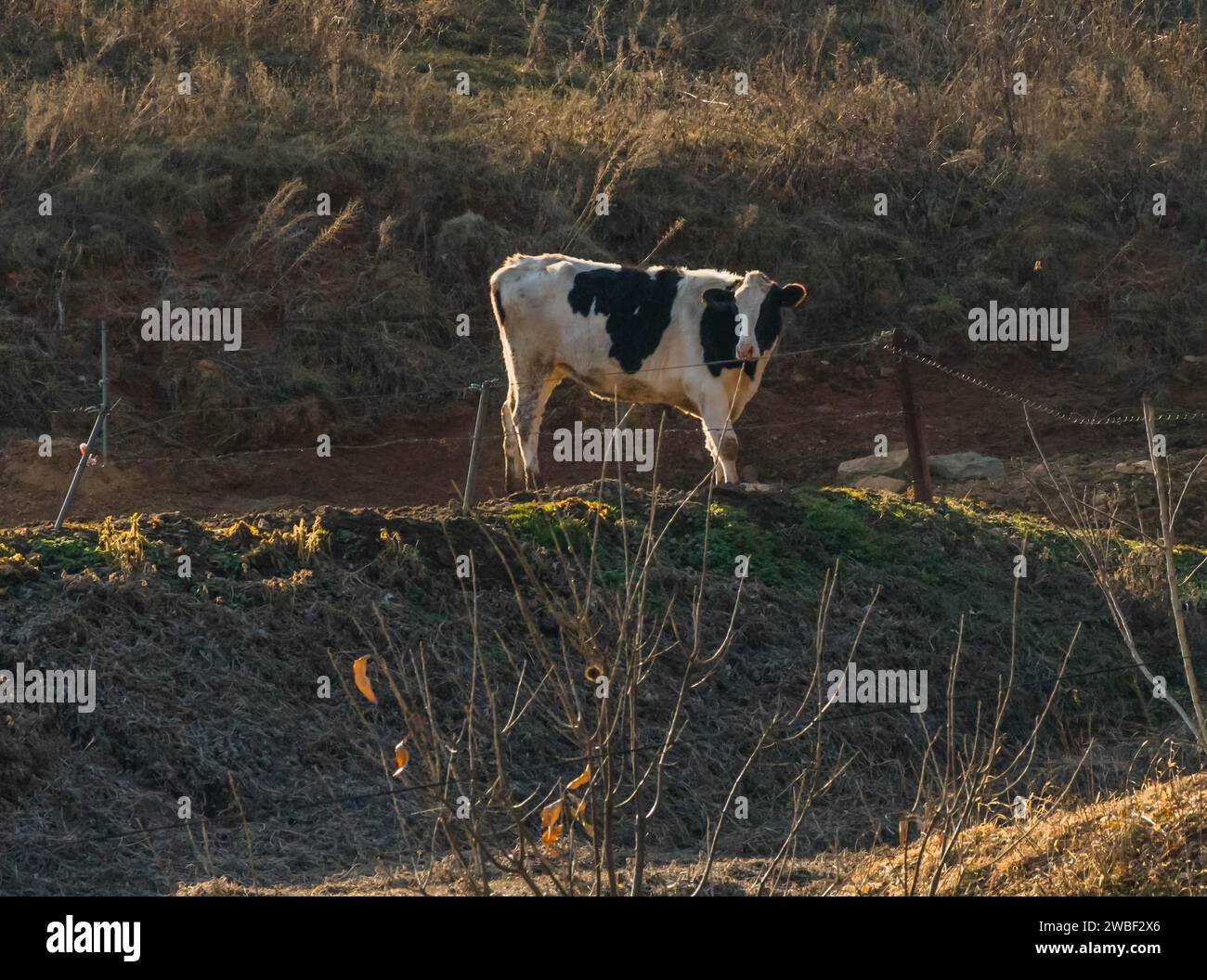
The most significant issue with barbed wire fencing is hide damage caused by animal-fence contact. As cattle brush against or lean on barbed wire, the sharp barbs cut into the skin surface. The harder the animal presses or moves against the fence, the greater the damage. This damage is so prevalent that barbed wire fence scratches and scars are the leading defect in the cattle leather industry, affecting hide grade and reducing its value by 20-40%.
Hide Damage Reality
Cattle that come into contact with barbed wire develop thin scratches and scars that remain visible on the processed leather. While individual scratches may appear minor, the cumulative effect of multiple animals contacting the fence repeatedly results in significant economic loss. Tanners estimate that replacing barbed wire with smooth wire or covering barbs in high-contact areas could prevent substantial hide damage. Consider safe fencing alternatives to barbed wire for high-value breeding stock.
Injury Risks in Specific Scenarios
High-Risk Situations for Barbed Wire Injuries:
- Crowded Areas: Gates, water sources, and feeding areas where cattle gather and jostle, increasing fence contact
- Panic Situations: Storms, predator encounters, or veterinary activities cause cattle to press desperately against fencing
- Young Animals: Calves are more susceptible to entanglement and injuries than adult cattle
- Breed Sensitivity: Thin-skinned breeds suffer more visible injuries than thick-skinned beef cattle
- Sagging Fences: Loose or improperly maintained wire increases entanglement risk and injury severity
Comparing Barbed Wire to Smooth Wire Safety
Safety Advantage: Smooth vs Barbed Wire
High tensile smooth wire provides equivalent containment effectiveness without injury risk. Studies consistently show that properly installed smooth wire systems maintain cattle as effectively as barbed wire while eliminating hide damage and reducing panic-related injuries. When combined with electric fencing for cattle, smooth wire systems provide superior psychological deterrence without physical injury risk.
How to Install Barbed Wire Fencing for Cattle: Step-by-Step
Pre-Installation Planning
Successful barbed wire installation begins with careful planning and site assessment. Survey your fence line, identify terrain challenges, calculate material quantities, and determine post requirements based on spacing guidelines and corner locations. Plan for adequate bracing at corners and gates—these are critical points where installation quality directly impacts long-term fence performance.
Tools and Materials Needed:
- Posts (wooden or steel): 5-6 foot length
- Barbed wire: 12.5-gauge, Class 1 or Class 3 galvanized
- Post driver or sledgehammer
- Wire stretcher/crimper for tensioning
- Staples and nails for securing wire
- Work gloves (essential for safety)
- Tape measure for proper spacing
- Concrete for corner/end post anchoring
Installation Process
Step 1: Post Installation
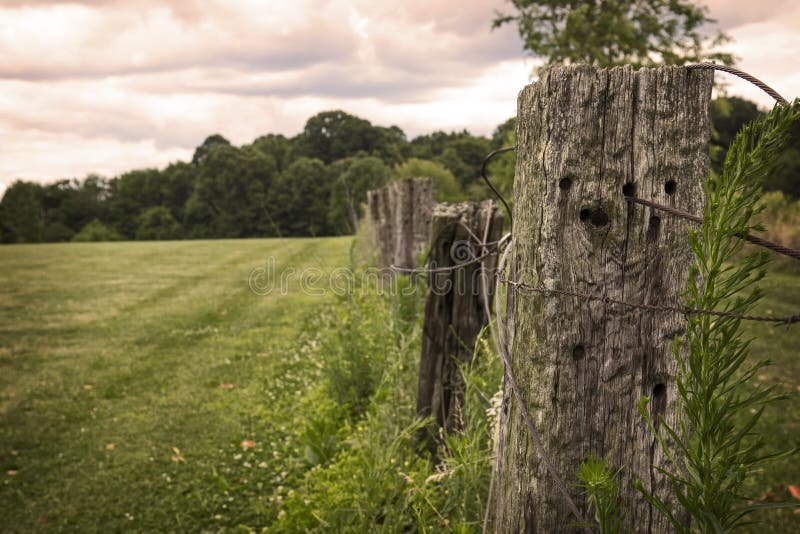
Mark fence line at planned intervals (15-20 feet flat terrain, 10-15 feet hilly). Dig post holes 30-36 inches deep using a post hole digger. Corner and end posts require concrete anchoring; set in holes and fill with concrete mix, allowing 24 hours to cure. Line posts may use driving method (sledgehammer) in suitable soil.
Step 2: Corner and End Brace Assembly
Install diagonal bracing on all corners and at gate locations. Braces should extend from the top of the corner post at a 45-degree angle to a ground anchor point. Proper bracing prevents corner posts from pulling under wire tension. Every 3-4 line posts should have a lighter brace to resist wire pressure. For high-pressure applications like bull containment, consider upgrading to heavy-duty cattle fence systems.
Step 3: Wire Installation – Bottom to Top
Begin with the bottom wire (6-8 inches from ground) to ensure proper spacing. Pull the wire taut using a wire stretcher, maintaining 12-15 pounds of tension per strand. Secure to posts using 2-inch staples, placed at slight angles to allow wire movement without crushing. Install subsequent wires at 10-12 inch intervals, ensuring consistent spacing across the entire fence.
Step 4: Tension and Final Adjustment
After all wires are installed, perform a final tension pass to ensure consistent pull across all strands. Wire should be tight enough to prevent sagging but not so tight it causes post flexing. Proper tension is 12-15 pounds per strand—use a tension gauge for accuracy. Check that bottom wire is 6-8 inches from ground and top wire reaches 48-54 inches.
Barbed Wire Fencing Specifications for Cattle
Fence Height and Wire Spacing
Standard Configuration for Cattle Fencing:
- Total fence height: 48-54 inches (4-4.5 feet)
- Bottom wire placement: 6-8 inches from ground surface
- Wire spacing: 10-12 inches between successive wires
- Top wire location: 48-54 inches from ground
- Number of strands: 4-5 for interior cross-fencing, 5-6 for perimeter security
Post Spacing Guidelines by Terrain
Recommended Post Spacing:
- Flat terrain (minimal slope): 15-20 feet (sometimes up to 25 feet with high-quality posts)
- Hilly or rolling terrain: 12-15 feet (reduces strain on posts from slope)
- High-wind areas: 10-12 feet (closer spacing resists wind pressure)
- Around gates and corners: 6-8 feet (maximum strength in high-stress locations)
- Brace placement: Every 3-4 posts or at 60-80 foot intervals
Your specific terrain and fence performance by climate conditions will significantly influence the optimal post spacing and wire specifications for your operation.
Wire Gauge and Material Selection
Wire Gauge Options:
- 12.5-gauge (standard): Industry standard for cattle fencing, provides adequate strength
- 11-gauge (heavier): Extra strength, holds tension better over long spans, slight cost premium
- 15.5-gauge (lighter): Not recommended for cattle—insufficient strength and poor tension retention
Galvanization Classes and Lifespan:
- Class 1 Galvanizing: 0.20 oz/sq ft coating, 8-15 year lifespan (non-coastal), most economical
- Class 3 Galvanizing: 1.50 oz/sq ft coating, 13-30 year lifespan, 20-30% cost premium, recommended for humid/coastal areas
- Selection: Class 3 recommended for permanent installations—better long-term value despite higher upfront cost
Four Strand vs Five Strand Barbed Wire Fencing
Four Strand Configuration
Four strand designs are economical and often used for interior cross-fencing in rotational grazing systems. The configuration features wires at 6-8″, 18-20″, 30-32″, and 48-54″ heights. Four strand systems reduce material and labor costs by 20% compared to five strand, making them attractive for temporary fencing or cost-constrained operations.
Four Strand Advantages
- 20% lower material cost compared to five strand
- Faster installation and easier to maintain
- Adequate for containment in low-pressure interior applications
- Common for rotational grazing paddock divisions
Five Strand Configuration
Five strand designs provide superior containment and are recommended for perimeter fencing and areas experiencing heavy animal pressure. The additional middle wires at 14-16″ and 28-30″ prevent animals from reaching under or between wires. Five strand systems are the industry standard for permanent boundary fencing.
Five Strand Advantages
- Superior containment with reduced escape risk
- Better protection against pushing and leaning pressure
- Industry standard for perimeter security
- Recommended for bull pen fencing systems and high-value animal areas
Barbed Wire Fencing Cost Breakdown and Economics
Per-Foot and Per-Mile Pricing
Installed Cost Structure:
- Material costs: $0.05-$0.15 per linear foot (wire only)
- Post costs: $1.50-$3.00 per post (wooden or steel)
- Labor costs: $2.50-$5.85 per foot (DIY possible, professional recommended)
- Total installed cost: $3.00-$6.00 per linear foot
- Cost per mile: $31,735-$42,240 (based on 5,280 feet at $6.00-$8.00/foot)
Long-Term Cost Analysis
15-Year Total Cost of Ownership
One mile of barbed wire fencing: $31,735 initial investment + $0-2,000 maintenance = $31,735-$33,735 total over 15 years, or $2,116-$2,249 annually. This makes barbed wire the most economical permanent fencing option when considering initial cost alone. However, factoring in hide damage ($100-400 per animal annually), injury-related veterinary costs, and reduced hide values, the total cost may increase significantly. For a detailed breakdown, review our cattle fencing cost breakdown comparing all major fence types.
Cost Comparison Table
| Fence Type | Initial Cost/Foot | Cost per Mile | Lifespan | Annual Cost (per mile) | Best For |
|---|---|---|---|---|---|
| Barbed Wire (Class 1) | $3.00-$6.00 | $31,735 | 8-15 years | $2,116-$3,969 | Large pastures, budget operations |
| High Tensile Smooth | $5.46-$7.00 | $35,118 | 25-50 years | $702-$1,405 | Permanent boundaries, maximum safety |
| Electric (Temporary) | $1.00-$6.00 | Variable | 5-10 years | Variable | Rotational grazing, interior divisions |
| Woven Wire | $5.00-$9.00 | $24,000-$33,600 | 15-25 years | $960-$2,240 | Maximum security, predator exclusion |
| Board Fencing | $8.00-$15.00 | $42,240-$79,200 | 20-30 years | $1,408-$3,960 | Aesthetic properties, mixed livestock |
Barbed Wire vs Alternative Cattle Fencing Options
Barbed Wire vs High Tensile Smooth Wire
This is the most significant comparison for cattle ranchers deciding between budget options and modern technology. While barbed wire has a lower initial cost, high tensile smooth wire offers substantial long-term advantages that often justify the premium investment.
High Tensile Advantages Over Barbed Wire:
- 3x stronger: 170,000-200,000 PSI vs 60,000 PSI tensile strength
- Wider post spacing: 25-30 feet (flat terrain) vs 15-20 feet—reduces post/labor costs
- 2-3x longer lifespan: 25-50 years vs 8-15 years (Class 3 coating)
- Zero hide damage: Smooth surface eliminates scratches and scars
- Better safety: No injury risk to animals or maintenance workers
- Easier maintenance: Requires minimal adjustments once properly installed
- Lower lifetime cost: $700-1,400/mile annually vs $2,100-3,900/mile annually
For a detailed analysis of barbed wire vs high tensile fencing, consider factors including installation complexity, animal safety, and total cost of ownership over the fence’s expected lifespan.
Barbed Wire vs Electric Fencing
Electric fencing and barbed wire serve different purposes and are often used together. Electric fencing excels at flexibility and adaptability, while barbed wire provides permanent boundaries.
When to Choose Barbed Wire Over Electric:
- Permanent property boundaries requiring years of security
- Perimeter fencing in remote areas with minimal daily management
- Large pastures where flexibility is unnecessary
- Operations where power infrastructure doesn’t exist
- Situations where lowest initial capital investment is paramount
When to Choose Electric Fencing Over Barbed Wire:
- Rotational grazing requiring frequent paddock adjustments
- Interior cross-fencing that changes seasonally
- Maximum animal safety (no injury risk)
- Operations where flexibility justifies higher management
- Properties where temporary dividing of large pastures is needed
Many successful operations combine permanent barbed wire perimeters with portable fencing for rotational grazing to optimize both security and flexibility.
Barbed Wire vs Woven Wire Fencing
Woven wire and barbed wire target different use cases. Woven wire provides superior security but at higher cost, while barbed wire offers economy with acceptable containment for well-trained cattle.
Key Differences
Woven wire: More expensive ($5-9/foot), superior predator exclusion, continuous mesh prevents reaching through, not ideal for mixed livestock operations. Barbed wire: More economical ($3-6/foot), adequate for cattle containment, doesn’t exclude predators, allows animals to reach through fence. Choose woven wire cattle fencing if predator protection is essential or if managing small livestock alongside cattle. Choose barbed wire for pure cattle operations prioritizing cost.
Barbed Wire vs Board Fencing
For operations prioritizing animal safety and property aesthetics, board fence systems and non-barbed cattle fencing options provide superior visibility and reduced injury risk, though at significantly higher initial investment.
Barbed Wire Fencing Maintenance and Longevity
Regular Maintenance Requirements
Annual Maintenance Tasks:
- Spring tension check: After freeze-thaw cycles, verify all wires have proper tension
- Vegetation control: Remove grass and weeds to prevent grounding and fire hazards
- Post inspection: Check for rot (wooden posts) and damage from weather or animals
- Wire inspection: Look for rust development, separation from posts, or damage
- Brace inspection: Verify corner and end braces remain tight and properly angled
- Staple check: Ensure staples remain seated and wires don’t slide along posts
Maintenance requirements vary significantly based on your local environment. Learn more about selecting fencing appropriate for your region with our guide to best cattle fencing for harsh climates.
Common Issues and Solutions
Sagging Wires
Cause: Loss of tension over time, particularly in spring after winter freezing. Solution: Use a wire stretcher to retension sagging sections. Proper initial tensioning and annual checks prevent significant sagging issues.
Rust and Corrosion
Cause: Galvanized coating deteriorates, especially in humid or coastal environments. Prevention: Use Class 3 galvanized wire in corrosive environments. Solution: Paint or spray affected areas with rust-preventative coating. Monitor Class 1 wire closely after year 8.
Broken Posts
Cause: Weather damage, animal pressure, or wildlife impact. Solution: Replace broken wooden posts in place using post menders (slip-on sleeves). Ensure new posts are properly braced and re-tension adjacent wires.
Frequently Asked Questions: Barbed Wire Cattle Fencing
Is barbed wire still the best fencing for cattle in 2026?
Barbed wire remains the most economical perimeter fencing option for large-scale cattle operations where cost is the primary consideration. However, modern high tensile cattle fence systems offer superior long-term value, safety, and durability. For new installations, evaluate total cost of ownership including hide damage and injury costs—high tensile often becomes more economical over 20+ years despite higher upfront cost. Review the complete cattle fencing guide to understand all available options.
What causes hide damage from barbed wire fencing?
Hide damage occurs when cattle brush against, lean on, or become pressed into barbed wire. The sharp barbs cut the skin, creating scratches and scars that persist even after healing. This is so common that cattle hide defects caused by barbed wire are the leading quality issue in the tanning industry, reducing leather value 20-40%. Hide damage is nearly impossible to prevent with barbed wire—it’s a fundamental problem with the technology, not an installation issue. Consider predator-resistant wire fencing or smooth wire alternatives for valuable breeding stock.
Can barbed wire fence injure or kill cattle?
While fatal injuries are rare, barbed wire can cause serious puncture wounds, particularly when cattle panic or become entangled. Injuries are more likely in crowded situations (gates, water sources) and when animals are agitated. Infection is a common complication of barbed wire wounds. Avoid barbed wire for valuable animals, breeding stock, or in high-stress environments. For critical containment applications, consider safe bull containment fencing with reinforced construction.
How long does barbed wire fencing last?
Class 1 galvanized: 8-15 years in non-coastal climates. Class 3 galvanized: 13-30 years (more common in humid areas). Lifespan depends significantly on climate, maintenance, and local weather extremes. High-wind or high-moisture environments shorten lifespan. Proper tensioning and annual maintenance extend the upper end of these estimates. Understanding fence durability in different climates helps you select appropriate materials for your region.
What is the recommended installation tension for barbed wire fencing?
Proper tension is typically 12-15 pounds per strand, measured using a tension gauge. Wire should be tight enough to prevent excessive sagging but not so tight it causes post flexing or pulls wooden posts out of ground. Achieving proper tension requires experience or professional assistance. Under-tensioning leads to sagging and reduced effectiveness; over-tensioning damages posts and creates safety hazards.
Is barbed wire legal for cattle fencing in my area?
Barbed wire legality varies by region. Most agricultural areas allow barbed wire for cattle but restrict it for horses and near roadways. Check with your local extension office or county agricultural commissioner for specific regulations. Some jurisdictions require smooth wire on top/bottom to protect wildlife. Always verify legality before installation, especially for properties near public roads.
Can I mix barbed wire with smooth wire for safer fencing?
Yes, a common safety approach is using smooth wire for the top and bottom strands with barbed wire in the middle. This provides the psychological deterrent of barbed wire while reducing injury risk to animals and workers. This hybrid approach costs 10-15% more than all-barbed but maintains the cost advantage over full high tensile systems while improving safety significantly. Learn more about smooth wire fencing alternative options.
Should I hire professional installation or DIY barbed wire fencing?
Professional installation ensures proper tensioning, bracing, and long-term performance. DIY installation is possible but requires experience, proper tools (wire stretcher, post driver), and understanding of tension principles. Mistakes in tension or brace installation result in sagging, ineffectiveness, and premature failure. For critical perimeter fencing, professional installation is recommended despite 50% higher labor costs—the improved longevity and performance justify the investment.
How do I prevent barbed wire fence sagging?
Proper initial tensioning (12-15 lbs per strand) is the primary prevention. Adequate post bracing at corners and every 3-4 posts is essential. Annual tension checks after winter and spring address temperature-related contraction/expansion. Vegetation control prevents weight accumulation on wires. Proper maintenance is cheaper and easier than addressing sagging after it develops.
What gauge wire is best for cattle fencing—12.5 or 15.5?
Standard 12.5-gauge is the industry standard and recommended for cattle. Heavier 11-gauge provides extra strength and holds tension better but costs more. Lighter 15.5-gauge is not recommended for cattle—it lacks sufficient strength, doesn’t hold tension effectively, and results in chronic sagging. Always use 12.5-gauge minimum for cattle applications.
What is the cost comparison between barbed wire and other fence types?
Barbed wire offers the lowest initial installation cost at $3-$6 per foot, compared to high tensile ($5.46-$7/foot), woven wire ($5-$9/foot), and board fencing ($8-$15/foot). However, when evaluating lifetime costs including maintenance, hide damage, and replacement frequency, compare cattle fence costs across the entire operational period. High tensile fencing often provides better long-term value despite higher upfront investment.
Should I use barbed wire for temporary or portable cattle fencing?
Barbed wire is not ideal for temporary applications due to installation complexity and safety concerns during setup/teardown. For rotational grazing and temporary paddocks, temporary pasture fencing with portable electric systems offers superior flexibility, faster setup, and easier reconfiguration while maintaining effective cattle containment.