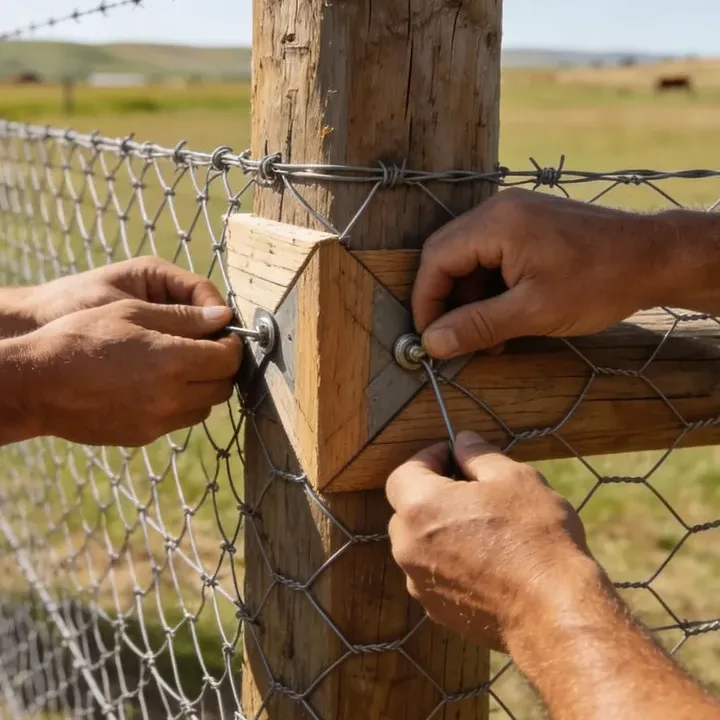
The handoff is the last place to catch a mismatch between the route people intend, the revision the crew received and the packages waiting at the work area.
1. Name the exact work package
2. Confirm the current information set
| Document / instruction | ID | Revision / date | Status | Copy location |
|---|---|---|---|---|
| Fence layout / route | ________ | ________ | Current / check | ________ |
| Post, brace and gate details | ________ | ________ | Current / check | ________ |
| Material / product data | ________ | ________ | Current / check | ________ |
| Change / field instruction | ________ | ________ | Current / check | ________ |
3. Match released materials to the work area
Bring forward package IDs from the storage and staging record, not only a generic product description.
| Item / package ID | Required quantity | Released quantity | Work-area location | Condition / hold |
|---|---|---|---|---|
| Wire / mesh ______ | ________ | ________ | ________ | ________ |
| Posts / braces ______ | ________ | ________ | ________ | ________ |
| Gate / hardware ______ | ________ | ________ | ________ | ________ |
| Tools / consumables ______ | ________ | ________ | ________ | ________ |
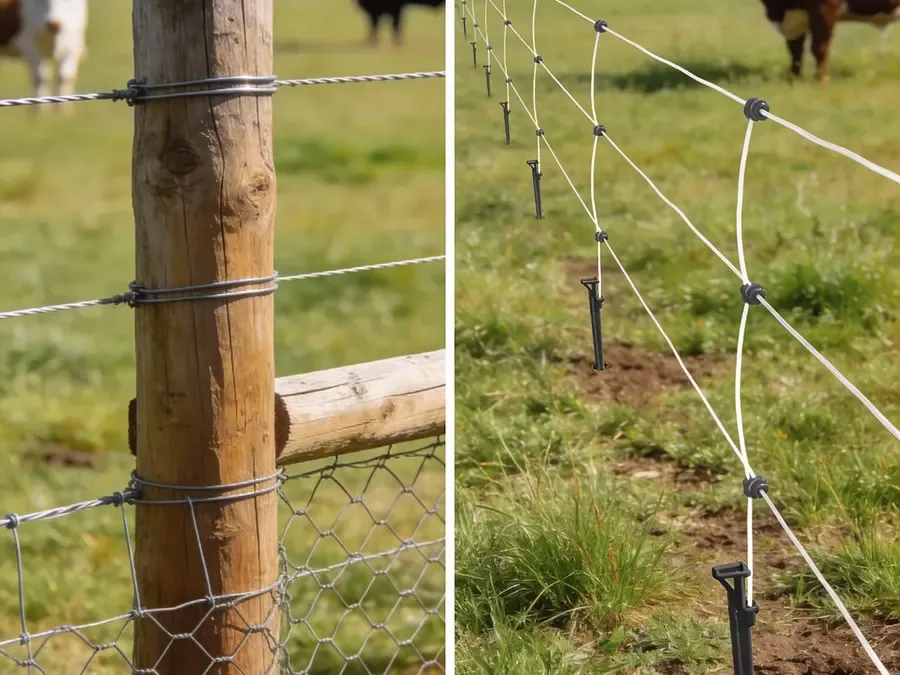
4. Walk the route and access constraints
5. Record open constraints and hold points
| Location / issue | Effect on work | Temporary control | Decision owner | Due / status |
|---|---|---|---|---|
| ________ | ________ | ________ | ________ | ________ |
| ________ | ________ | ________ | ________ | ________ |
| ________ | ________ | ________ | ________ | ________ |
An unresolved gate location, buried-service question or missing brace detail is not “accepted risk” simply because it appears on this form. Mark whether the affected work may proceed under the project’s actual authority.
6. Agree what comes back from the field
Define the return package before work starts
- Installed section and date
- Material package IDs and actual quantities used
- Photographs or inspection references required by the project
- Route, gate or detail changes needing the change log
- Unused material, damaged items and open punch work
Questions project teams ask
What should be in a fence installation handoff?
Identify the work area, current document revisions, material package IDs, site constraints, open decisions, responsible people and the field records that must return.
Is an approved drawing enough for the crew to start?
Not by itself. The project must also resolve access, utilities, permits where applicable, materials, safety controls, open changes and who has authority to release the work.
Who is responsible for locating buried services?
Responsibility and the process vary by jurisdiction and project. Record the completed service reference and remaining private-system questions; never treat this generic page as a locate request or clearance.
What if material is missing at handoff?
Record the missing item, affected work, owner and status. Do not silently substitute a different product or move the crew onto work that depends on an unresolved component.
Should the installer mark field changes?
Yes, when the project requires it. Record the actual change, location and evidence, then route it through the project change log rather than overwriting the issued drawing.
Evidence and limits
The NRCS Fence 382 standard calls for plans showing fence layout and gate locations plus installation details, material quantities and operation-and-maintenance information. USACE’s preparatory-phase checklist asks teams to review the submittal register, confirm materials are on hand, compare delivered material with approved submittals, review specifications and discuss the work procedure and preliminary requirements. The USDA fencing handbook places layout first and notes that installation varies with site, soil and weather conditions. These sources support a disciplined handoff structure, but federal construction procedures and state NRCS criteria do not automatically govern a private farm fence project.
Supports handing over the current route, installation details and material basis together.
USACE: Preparatory Phase Checklist Documents, materials and procedure reviewSupports checking approvals, material availability, storage, specifications, procedures and preliminary work before a definable activity begins.
USDA: Fences and Fence Construction Layout and site-dependent installationSupports beginning with the route and preserving the role of site, soil and weather conditions.