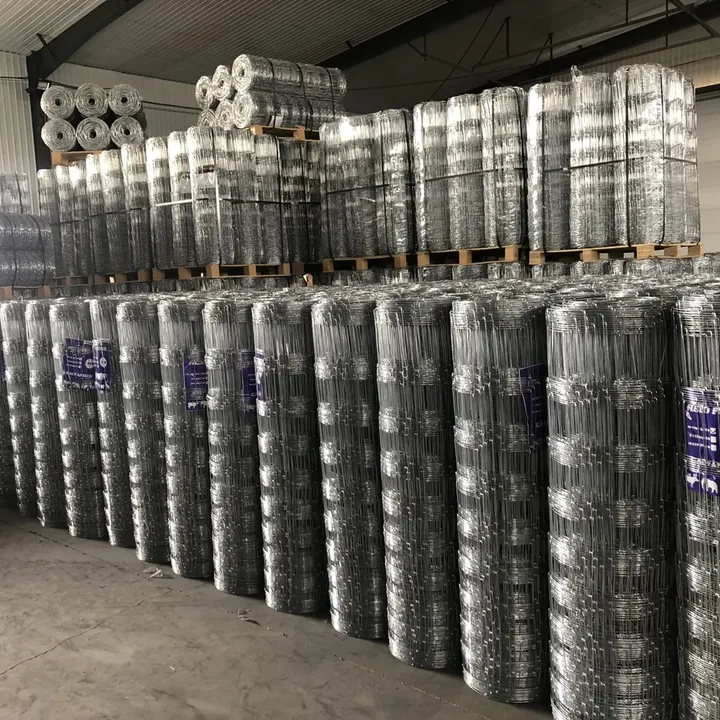
A receiving check answers what arrived. A storage record answers where it went, what happened while it waited, and which identified package was later released to the fence line.
1. Establish the storage basis
2. Map each storage and staging zone
Give every zone a stable code and describe access, surface, drainage, cover and separation from traffic or livestock. The project’s risk assessment and supplier instructions control the actual arrangement.
| Zone | Location / surface | Cover / drainage | Access control | Photo / sketch |
|---|---|---|---|---|
| ________ | ________ | ________ | ________ | ________ |
| ________ | ________ | ________ | ________ | ________ |
| ________ | ________ | ________ | ________ | ________ |
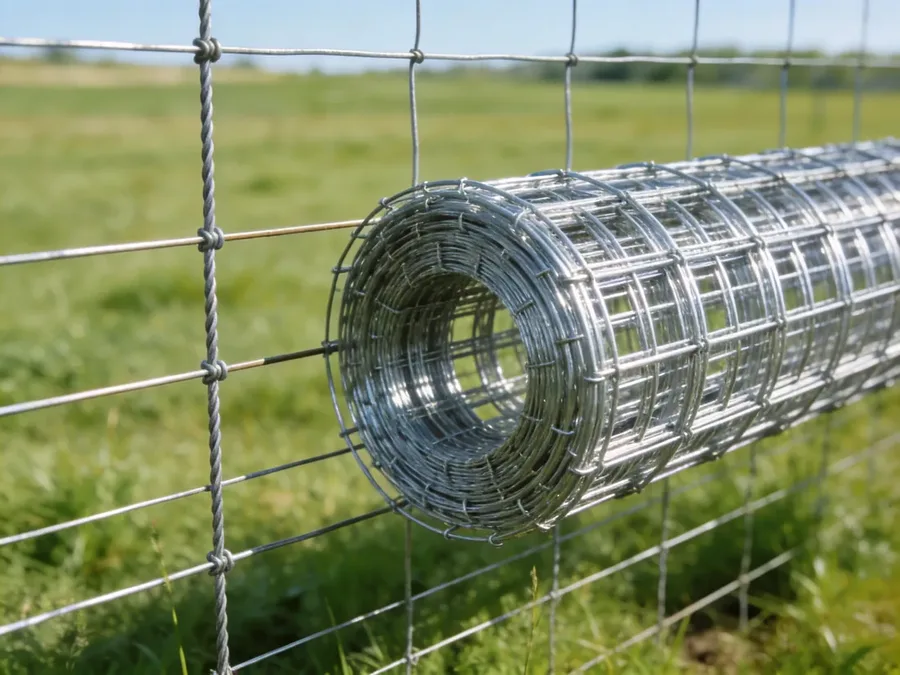
3. Track package identity and condition
| Package / tag ID | Product / quantity | Zone | Condition observed | Action / owner | Status |
|---|---|---|---|---|---|
| ________ | ________ | ________ | ________ | ________ | Available / hold |
| ________ | ________ | ________ | ________ | ________ | Available / hold |
| ________ | ________ | ________ | ________ | ________ | Available / hold |
4. Record protection checks and movements
5. Control holds and corrective actions
Use “hold” when identity, condition or disposition is unresolved. Do not turn a visual storage check into a technical acceptance decision.
6. Release materials to installation
Release only the identified package and current information
- Installation area and drawing or instruction revision recorded
- Package IDs and quantities recorded
- Open damage, label or compatibility questions visible
- Receiving party and transfer date acknowledged
| Release ID / date | Work area | Package IDs / quantity | Released by | Received by | Open note |
|---|---|---|---|---|---|
| ________ | ________ | ________ | ________ | ________ | ________ |
| ________ | ________ | ________ | ________ | ________ | ________ |
Questions project teams ask
How should fence wire rolls be stored?
Follow the supplier’s instructions and the site’s handling plan. At minimum, preserve identification, record the zone, keep access controlled, observe moisture and contamination conditions, and verify package stability before release.
Can rolls be stored outdoors?
That depends on packaging, coating, duration, weather and supplier instructions. Record the actual protection and drainage arrangement; do not assume that a galvanized appearance removes every storage risk.
Should damaged packaging mean rejection?
Not automatically. Describe and photograph the condition, isolate the affected package if needed, and route it to the authorized reviewer. Packaging damage and product nonconformance are different decisions.
Who owns the storage record?
Name the actual project custodian. The record should also show who moved, checked, held and released each package so responsibility is not inferred later.
Is release from storage the same as product acceptance?
No. Release records a controlled transfer to a work area. Acceptance and technical compliance follow the project’s contract, specification and review process.
Evidence and limits
The USDA fencing handbook states that fencing materials should be inspected soon after delivery and stored in a clean, dry place. The current NRCS Fence 382 standard requires plans and specifications to identify layout, gates, installation details and material quantities, while warning that national standards are not project installation instructions. UFS guidance treats delivery, storage, handling and site environmental conditions as project-specific requirements. Penn State also identifies fence wire among farm items that should be stored safely away from children. These sources support the record fields; they do not set a universal stacking height, cover type or acceptance rule.
Supports checking material on arrival and preserving it before installation.
NRCS: Fence (Code 382) Plans, material quantities and local-use boundarySupports tying material release to the current project layout and requirements.
WBDG: UFS 1-300-02 Delivery, storage and handling requirementsSupports recording project-specific packing, storage, protection and site conditions.
Penn State Extension: Children and Safety on the Farm Fence-wire storage as a farm safety issueSupports controlling access to stored wire and other injury-causing materials.